Stepping into the world of Commercial Led Strip Lights can feel like unlocking a secret weapon for your business. Imagine transforming your retail space, enhancing office productivity, or creating an unforgettable ambiance in your hospitality venue, all while slashing energy bills. As your go-to expert with over a decade in designing, installing, and troubleshooting LED strip lighting, and as the official content creator for NamsP.com, I’m here to guide you through everything you need to know about these versatile lighting powerhouses. This isn’t just about illuminating a space; it’s about optimizing your environment, attracting customers, and creating a lasting impression with smart, efficient lighting.
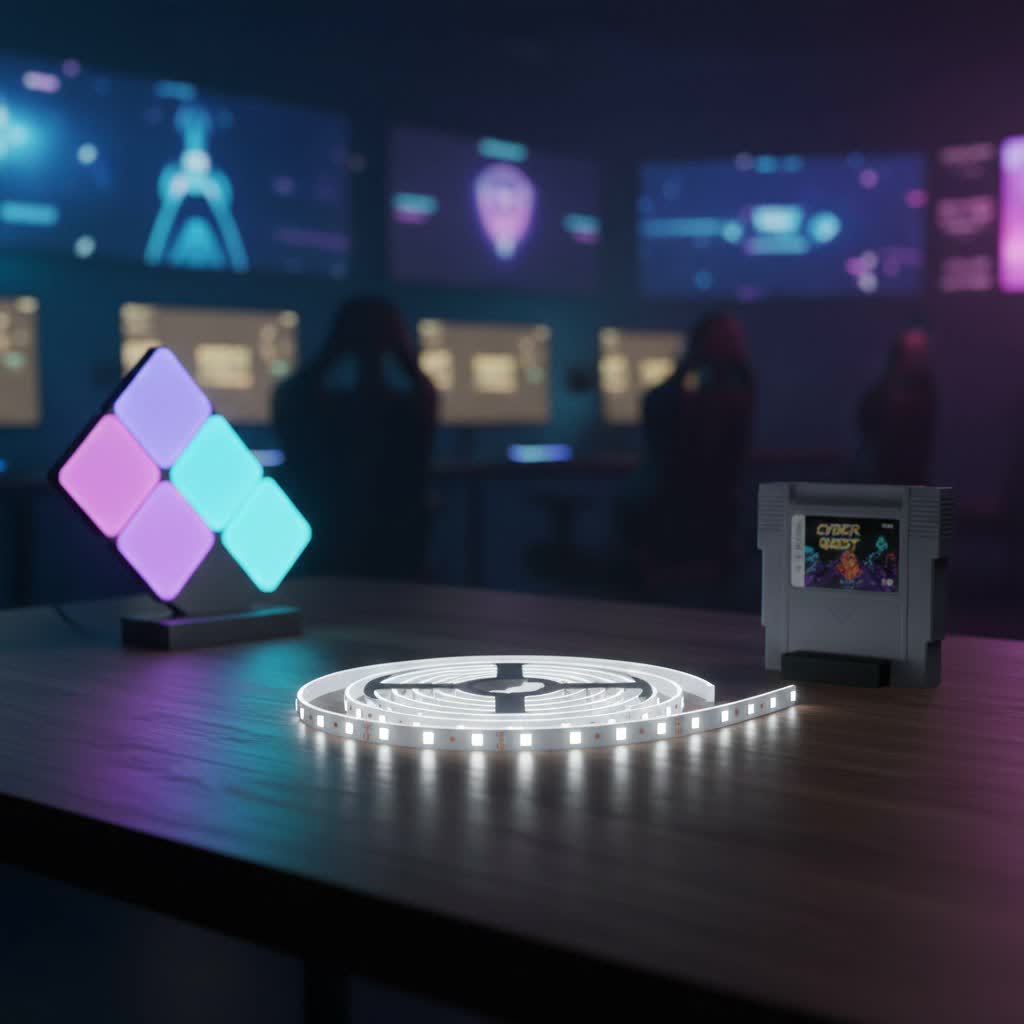
Why Businesses Are Switching to Commercial LED Strip Lights
Why are so many businesses making the switch? The answer lies in an unbeatable combination of efficiency, versatility, and sheer aesthetic appeal.
Commercial LED strip lights offer significant advantages over traditional lighting options, making them a smart investment for any business owner looking to modernize their space and reduce overheads.
- Unmatched Energy Efficiency: This is often the biggest draw. LED strips consume significantly less power than incandescent or fluorescent lights, translating to dramatic reductions in your electricity bills. Think about it: less energy usage means more money in your pocket, month after month.
- Incredible Longevity: Traditional bulbs constantly need replacing, a time-consuming and costly hassle. Commercial LED strips, however, boast lifespans of 50,000 hours or more, meaning you can install them and virtually forget about replacements for years. Fewer replacements equal less maintenance downtime and labor costs.
- Design Versatility and Flexibility: Need to highlight a specific product on a shelf? Outline a unique architectural feature? Or create dynamic mood lighting for an event? LED strips can be cut to custom lengths, bent around corners, and installed almost anywhere, offering unparalleled design freedom to shape your business’s visual identity.
- Enhanced Aesthetics and Ambiance: From warm, inviting glows in a restaurant to crisp, clear task lighting in an office, LED strips provide precise control over color temperature and brightness. This allows businesses to craft the perfect atmosphere, improving customer experience and employee well-being.
- Low Heat Emission: Unlike incandescent bulbs that get scorching hot, LEDs produce very little heat. This not only makes them safer to install and operate but also reduces the load on your HVAC system, leading to further energy savings, especially in larger commercial spaces.
- Instant On, No Flickering: LEDs illuminate instantly at full brightness without any warm-up time or annoying flicker, contributing to a more professional and comfortable environment.
“As a seasoned lighting designer, I’ve seen firsthand how high-quality commercial LED strip lights can transform a space, not just aesthetically, but also by dramatically cutting operational costs. It’s an investment that truly pays dividends,” says Alex Nguyen, Senior Lighting Consultant at LuminaTech Solutions.
Choosing the Right Commercial LED Strip Lights: Key Considerations
Selecting the perfect commercial LED strip lights for your business involves more than just picking a color. It’s about understanding the specific needs of your space and ensuring your lighting solution is up to the task.
What factors should you consider when making your choice?
Here’s a breakdown of the essential elements to evaluate:
- Brightness (Lumens per Foot/Meter): How bright do you need your lighting to be? For accent lighting in a retail display, you might need less brightness than for primary task lighting in an office. Lumens measure the total amount of visible light from a source. Consider the overall light level required for the application.
- Color Temperature (CCT – Kelvin): This determines the “warmth” or “coolness” of the light.
- Warm White (2700K-3000K): Creates a cozy, inviting atmosphere, ideal for restaurants, cafes, and hospitality.
- Neutral White (3500K-4500K): Often preferred for offices and general commercial spaces, offering a balanced, clear light.
- Cool White/Daylight (5000K-6500K): Best for task-intensive areas, workshops, and retail environments where product colors need to pop accurately.
- Color Rendering Index (CRI): For businesses like retail stores, art galleries, or even salons, a high CRI is paramount. CRI measures how accurately a light source reveals the true colors of objects compared to natural light. Aim for a CRI of 80+ for general commercial use, and 90+ for applications where color accuracy is critical.
- Durability and IP Rating: Will your LED strips be exposed to dust, moisture, or even water?
- IP20: Suitable for dry indoor applications.
- IP44/IP54: Protects against splashes and some dust, good for bathrooms or kitchens.
- IP65: Water-resistant, ideal for damp indoor environments or covered outdoor areas.
- IP67/IP68: Fully waterproof, perfect for outdoor installations or areas where direct water exposure is possible.
- Dimmability and Control Systems: The ability to adjust brightness is key for creating dynamic environments. Ensure the LED strips and their power supplies are compatible with dimmers or smart control systems (like DALI, DMX, or Wi-Fi controllers) for maximum flexibility.
- Power Consumption and Voltage: Most commercial LED strips operate at 12V or 24V DC, requiring a power supply (driver) to convert AC mains power. Higher voltage (24V) strips allow for longer continuous runs before voltage drop becomes an issue, reducing the need for multiple power injections. Line voltage (120V/240V) strips are also available for very long runs, simplifying wiring but often sacrificing cut flexibility.
- Types of LED Chips:
- SMD (Surface Mounted Device): Common types like 2835, 5050, 5630, each offering different brightness and size. They produce individual light points.
- COB (Chip On Board): Offers a continuous, dot-free line of light, ideal for applications where a seamless glow is desired, such as under-cabinet lighting or architectural accents.
- Certifications: Look for certifications like UL, ETL, or CE, which indicate that the products meet safety and quality standards, crucial for commercial installations.
Checklist: Essential Tools for Commercial LED Strip Installation
Before you begin your installation project, gather these crucial items to ensure a smooth and safe process:
- Commercial LED Strip Lights: The star of the show!
- Appropriate Power Supply/Driver: Matches the voltage and wattage requirements of your strips.
- LED Controller/Dimmer: If dimming or color changing is desired.
- Connectors: Solderless connectors for quick installation or soldering iron/solder for robust connections.
- Mounting Channels (Aluminum Profiles): Essential for heat dissipation, a neat finish, and protection.
- Mounting Clips or Strong Double-Sided Adhesive: For securing channels.
- Wire Strippers and Cutters: For preparing wires.
- Multimeter: For testing voltage and continuity.
- Measuring Tape and Pencil: For accurate placement.
- Safety Goggles and Gloves: Always prioritize safety when working with electricity.
- Screwdriver Set: For securing connections and mounting.
Unleashing Creativity: Top Commercial Applications for LED Strip Lights
The true magic of commercial LED strip lights lies in their incredible versatility, allowing businesses to bring their vision to life. From subtle accents to bold statements, the possibilities are endless.
How can businesses creatively use LED strip lights?
Let’s explore some of the most impactful applications across various commercial sectors:
- Retail Environments:
- Product Highlighting: Install strips within display cases, under shelves, or along clothing racks to make products pop and draw customer attention. A high CRI is critical here to ensure true product colors.
- Window Displays: Create dynamic, eye-catching window displays that attract passersby day and night.
- Fitting Rooms: Provide flattering, even lighting that makes customers look and feel good, enhancing the shopping experience.
- Architectural Accents: Outline store perimeters, ceiling coves, or unique features to guide customer flow and reinforce brand aesthetics.
- Office Spaces:
- Task Lighting: Integrate strips under monitors or along desks for focused, glare-free illumination that reduces eye strain and boosts productivity.
- Cove Lighting: Hidden LED strips in ceiling coves provide soft, indirect ambient lighting, creating a comfortable and modern workspace.
- Architectural Features: Highlight beams, pillars, or wall panels to add depth and visual interest to a typically functional space.
- Mood Lighting Zones: With tunable white or RGBW strips, different lighting scenes can be created for various activities, from bright collaboration to relaxed brainstorming.
- Hospitality (Hotels, Restaurants, Bars):
- Bar Backlighting: Create stunning visual effects behind liquor bottles, drawing attention to your bar area.
- Pathway and Stair Lighting: Enhance safety and add a touch of elegance by illuminating pathways, steps, and handrails.
- Room Ambiance: In hotel rooms, use strips in headboards, under beds, or along curtains to provide customizable mood lighting for guests.
- Restaurant Dining Areas: Frame seating booths, illuminate architectural details, or create soft ceiling glows to enhance the dining experience.
- Architectural and Exterior Applications:
- Building Facades: Outline building edges or architectural elements to create a dramatic and memorable exterior presence.
- Landscape Lighting: Illuminate pathways, water features, or garden beds, adding beauty and safety to outdoor commercial areas (ensure appropriate IP rating!).
- Signage and Branding: Backlight or edge-light business signs for enhanced visibility and a modern look.
- Industrial and Workshop Settings:
- Under-Bench Lighting: Provide focused illumination for detailed work in workshops or laboratories.
- Shelf Lighting: Light up storage shelves in warehouses or stockrooms for better visibility and organization.
Installation Secrets: Making Your Commercial LED Strips Shine
Installing commercial LED strip lights might seem daunting at first, but with a clear plan and the right approach, it’s a perfectly manageable project. Remember, safety first! If you’re unsure about any electrical work, always consult a qualified electrician.
What are the key steps for a successful commercial LED strip installation?
Here’s a simplified guide to get you started:
- Plan Your Layout and Power:
- Measure Everything: Accurately measure the lengths where you want to install your strips.
- Determine Power Needs: Calculate the total wattage of your LED strips (watts per foot/meter x total length). Your power supply should have at least 20% more wattage than your total strip requirement to ensure efficiency and longevity.
- Map Wiring: Sketch out where your power supplies, controllers, and strips will be located. Consider wire runs to minimize voltage drop, especially for longer segments.
- Prepare Your Strips:
- Cut to Size: Most LED strips have designated cut marks (usually every 1-4 inches). Use sharp scissors to cut precisely at these marks.
- Prepare Connections: For solderless connectors, simply open the connector, slide the strip in, and snap it shut. For soldering, gently strip back the silicone (if waterproof), expose the copper pads, and solder your wires. Always ensure polarity (+ to + and – to -).
- Mounting the Strips:
- Clean the Surface: Ensure your mounting surface is clean, dry, and smooth for optimal adhesion.
- Install Aluminum Channels: For commercial applications, I highly recommend using aluminum channels (profiles). They provide a professional finish, protect the strips, and, crucially, act as a heat sink to dissipate heat, significantly extending the lifespan of your LEDs. Secure channels with clips or screws.
- Adhere Strips: Peel off the backing from the LED strip and firmly press it into the aluminum channel.
- Wiring the System:
- Connect Strips to Controller/Power Supply: Connect the output wires from your LED strip(s) to the output terminals of your controller (if using one) or directly to your power supply.
- Connect Controller to Power Supply (if applicable): If you have a controller, connect its input to the power supply’s output.
- Connect Power Supply to Mains: Wire your power supply to your AC mains power. This step requires careful attention to electrical safety. If you’re not comfortable, hire a professional!
- Test and Secure:
- Test Before Finalizing: Before securing everything permanently, do a test run. Turn on the power and ensure all strips illuminate correctly and respond to the controller.
- Tidy Up: Secure all wires, hide controllers and power supplies, and ensure everything looks neat and professional.
Safety Tip: Always disconnect power at the circuit breaker before working on any electrical connections. Use appropriate wire gauges for your power requirements and ensure all connections are secure to prevent shorts or hazards.
Maximizing Longevity: Maintenance and Troubleshooting Tips
You’ve invested in quality commercial LED strip lights, and now you want them to last. The good news is that LEDs are remarkably low-maintenance. However, a few simple practices can significantly extend their lifespan and keep them shining brightly for years.
What can you do to keep your commercial LED strips in top condition?
Here are some essential maintenance and troubleshooting tips:
- Keep Them Clean: Dust and debris can accumulate on the strip and diffuser, reducing light output and potentially trapping heat. Gently wipe the strips with a soft, dry, or slightly damp cloth periodically. Avoid abrasive cleaners or harsh chemicals.
- Ensure Proper Heat Management: This is paramount for LED longevity. While LEDs produce less heat than traditional bulbs, they still generate some. If heat isn’t properly dissipated, it can degrade the LED chips faster.
- Use Aluminum Channels: As mentioned during installation, aluminum channels are excellent heat sinks. Ensure they are correctly installed and have adequate airflow around them.
- Avoid Enclosing Tightly: Don’t install LED strips in very tight, unventilated spaces where heat can build up.
- Check Connections Periodically: Vibrations or environmental factors can sometimes loosen connections over time. Occasionally inspect the wiring, connectors, and power supply terminals to ensure they are secure. Loose connections can lead to flickering or intermittent operation.
- Power Supply Health: The power supply (driver) is often the first component to fail in an LED system. Ensure it’s not overheating and is rated correctly for your strips’ wattage. If you notice inconsistent performance, the power supply is a good place to start troubleshooting.
- Troubleshooting Common Issues:
- Flickering: Often a sign of a faulty power supply, loose connection, or an incompatible dimmer. Check connections, try a different power supply, or ensure your dimmer is LED-compatible.
- Uneven Dimming/Color: Could be voltage drop on long runs (requiring power injection from both ends or a higher voltage system), or an issue with the controller.
- Strips Not Lighting Up: Check the power supply (is it receiving mains power?), all connections, and ensure polarity is correct. Test the strip itself with a known good power source if possible.
Frequently Asked Questions About Commercial LED Strip Lights
Here are some common questions businesses ask about commercial LED strip lights:
Q: How long do commercial LED strip lights typically last?
|
Our Picks for the Best LED Strip in 2026
As an Amazon Associate I earn from qualifying purchases.
|
||
| Num | Product | Action |
|---|---|---|
| 1 | KANTUTOE LED Lights for TV, 16.4ft LED Lights for 45-75 Inch TVs, RGB TV Backlight Behind, Music Sync Bluetooth APP & Remote Control Strip Lights USB Powered for Bedroom, Gaming, Home Décor |

|
| 2 | Govee RGBIC LED Strip Lights, Smart LED Lights for Bedroom, Bluetooth LED Lights APP Control, DIY Multiple Colors on One Line, Color Changing LED Strip Lighting Music Sync, Home Decor, 16.4ft |
|
| 3 | Govee Smart RGB LED Strip Lights for Bedroom, 32.8ft WiFi LED Light Strip Work with Alexa Google Assistant, 16 Million Colors with App Control and Music Sync Lights for Home Decor, 2 Rolls of 16.4ft |
|
| 4 | Tenmiro Led Lights for Bedroom 100ft (2 Rolls of 50ft) Music Sync Color Changing Strip Lights with Remote and App Control RGB Strip, for Room Home Party Decoration |
|
| 5 | Aclorol LED Strip Lights 5V USB 6.56FT/2M 640 LEDs Blue Indoor Rope Lights for Bedroom Not Waterproof IP20 CRI85+ Flexible LED Light for TV Backlight Living Room Party DIY Lighting |
|
| 6 | Govee RGBIC LED Strip Lights, 32.8ft Smart LED Lights for Bedroom, Bluetooth LED Lights APP Control, DIY Multiple Colors on One Line, Color Changing LED Strip Lighting Music Sync, Home Decor |
|
| 7 | Govee 100ft RGBIC LED Strip Lights, Smart LED Lights Work with Alexa and Google Assistant, LED Lights for Bedroom WiFi App Control Segmented DIY Multiple Colors, Color Changing Light, (2 x 50ft) |
|
| 8 | Govee Warm White LED Strip Lights, Bright 300 LEDs, 3000K Dimmable Light Strip 16.4ft with Control Box, LED Lights for Bedroom, Kitchen Cabinets, Living Room, ETL Listed Adapter Included |
|
| 9 | KSIPZE 100ft Led Strip Lights RGB Music Sync Color Changing Led Lights with Smart App Control Remote Led Lights for Bedroom Room Lighting Flexible Home Décor |
|
| 10 | VOEWT LED Neon Lights Daylight White 6000K,9.8ft 110-120V LED Strip Lights,Flexible Outdoor Waterproof Neon Rope Lights for Bedroom,Cabinet,Kitchen,Living Room,Mirror,Halloween Decor |
|
A: High-quality commercial LED strip lights are designed for longevity, typically lasting 50,000 hours or more. This equates to over 5 years of continuous operation, or more than 10 years with 12 hours of use per day. Proper installation, especially good heat management, is key to achieving this lifespan.
Q: Are commercial LED strip lights expensive to install?
A: While the initial cost of quality commercial LED strip lights and components might be higher than traditional lighting, the long-term savings on energy bills and maintenance often result in a quick return on investment (ROI). The ease of installation, especially for DIY enthusiasts, can also save on labor costs.
Q: Can I use residential LED strips in a commercial setting?
A: It’s generally not recommended. Commercial LED strip lights are designed for higher brightness, greater durability, longer run times, and often have higher CRI ratings and better heat dissipation, which are crucial for the demands of a business environment. Residential strips may fail prematurely or not provide adequate illumination.
Q: What’s the difference between 12V and 24V commercial LED strip lights?
A: Both 12V and 24V commercial LED strips require a power supply. The main difference is that 24V strips allow for longer continuous runs without significant voltage drop, meaning you can install longer segments with consistent brightness from one power injection point. 12V strips are better for shorter runs or applications where more frequent cutting is needed.
Q: How do I control multiple zones of commercial LED strip lighting?
A: Controlling multiple zones typically involves using a multi-channel LED controller. These controllers allow you to power and independently control different segments of LED strips, often via a remote, wall panel, or even a smart home/business system (Wi-Fi/Bluetooth). Each zone will need its own controller output.
Ready to Light Up Your Business?
There’s no doubt that commercial LED strip lights are a game-changer for businesses of all sizes. They offer unparalleled energy efficiency, incredible longevity, and the design flexibility to create truly stunning and functional spaces. Whether you’re aiming to highlight products, enhance ambiance, or simply create a more productive environment, LED strips provide a powerful, modern solution.
At NamsP.com, we believe that understanding your lighting options empowers you to make the best choices for your business. We’re here to help you navigate the complexities, from selecting the right products to mastering the installation. Don’t just light your space; transform it into an experience. Explore the possibilities, plan your project, and let commercial LED strip lights illuminate your path to success.
