Imagine a lighting system that not only splashes your space with millions of vibrant colors but also delivers a crisp, pure white light for everyday tasks. That’s precisely what Rgbw Led Strip Lights bring to the table. As your dedicated LED Strip expert with over a decade of hands-on experience in design, installation, and repair, I’ve seen how these versatile lights have revolutionized home and commercial illumination. Forget the limitations of standard RGB; RGBW is the upgrade you’ve been waiting for, offering an unparalleled spectrum of possibilities to truly transform any environment.
What Exactly Are RGBW LED Strip Lights?
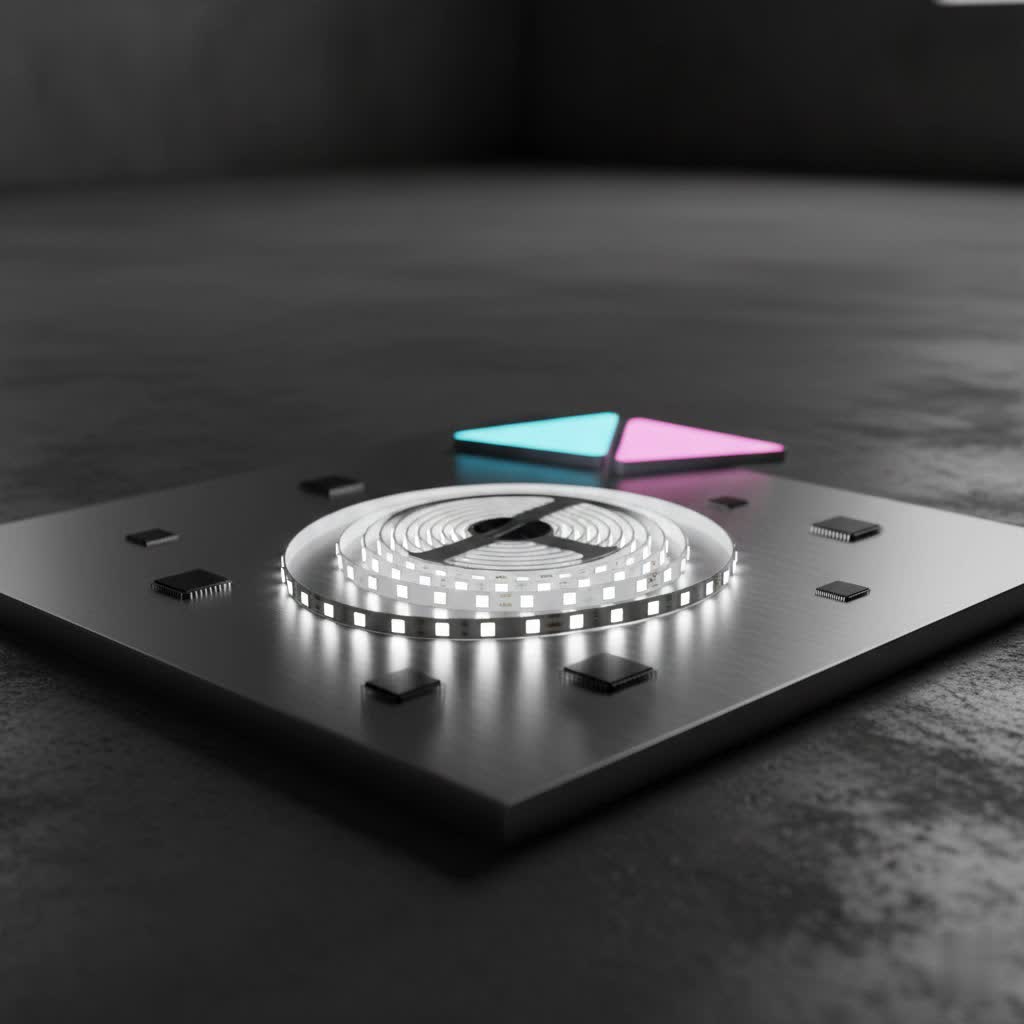
At its core, “RGBW” stands for Red, Green, Blue, and White. Unlike traditional RGB (Red, Green, Blue) LED strips, which attempt to create white light by mixing these three primary colors, RGBW strips incorporate an additional, dedicated white LED chip. This might seem like a small detail, but it makes a world of difference.
Here’s the simple breakdown:
- RGB LEDs generate colors by combining varying intensities of red, green, and blue light. While they can produce a wide array of hues, their “white” is often a cooler, bluish imitation, lacking the purity and brightness of natural white light.
- RGBW LED strips, on the other hand, feature individual red, green, and blue diodes, plus a separate white diode. This dedicated white chip ensures you get a true, vibrant white light that’s perfect for functional lighting, along with the full spectrum of color-changing capabilities. Some advanced versions even offer RGBWW (RGB + Warm White) or RGBCW (RGB + Cool White), giving you control over the white light’s color temperature, or RGB CCT for fully tunable white.
This combination allows for more accurate color reproduction, brighter output, and the ability to create softer, more delicate pastel shades by mixing the white light with the primary colors.
Why Choose RGBW LED Strips? Benefits Beyond Basic Lighting
Upgrading to RGBW LED strip lights isn’t just about adding more color; it’s about unlocking a new level of versatility and quality in your lighting design.
Superior White Light Quality
|
Our Picks for the Best LED Strip in 2026
As an Amazon Associate I earn from qualifying purchases.
|
||
| Num | Product | Action |
|---|---|---|
| 1 | Govee 100ft RGBIC LED Strip Lights, Smart LED Lights Work with Alexa and Google Assistant, LED Lights for Bedroom WiFi App Control Segmented DIY Multiple Colors, Color Changing Light, (2 x 50ft) |

|
| 2 | KANTUTOE LED Lights for TV, 16.4ft LED Lights for 45-75 Inch TVs, RGB TV Backlight Behind, Music Sync Bluetooth APP & Remote Control Strip Lights USB Powered for Bedroom, Gaming, Home Décor |
|
| 3 | Govee RGBIC LED Strip Lights, 32.8ft Smart LED Lights for Bedroom, Bluetooth LED Lights APP Control, DIY Multiple Colors on One Line, Color Changing LED Strip Lighting Music Sync, Home Decor |
|
| 4 | Tenmiro Led Lights for Bedroom 100ft (2 Rolls of 50ft) Music Sync Color Changing Strip Lights with Remote and App Control RGB Strip, for Room Home Party Decoration |
|
| 5 | KSIPZE 100ft Led Strip Lights RGB Music Sync Color Changing Led Lights with Smart App Control Remote Led Lights for Bedroom Room Lighting Flexible Home Décor |
|
| 6 | VOEWT LED Neon Lights Daylight White 6000K,9.8ft 110-120V LED Strip Lights,Flexible Outdoor Waterproof Neon Rope Lights for Bedroom,Cabinet,Kitchen,Living Room,Mirror,Halloween Decor |
|
| 7 | Govee RGBIC LED Strip Lights, Smart LED Lights for Bedroom, Bluetooth LED Lights APP Control, DIY Multiple Colors on One Line, Color Changing LED Strip Lighting Music Sync, Home Decor, 16.4ft |
|
| 8 | Aclorol LED Strip Lights 5V USB 6.56FT/2M 640 LEDs Blue Indoor Rope Lights for Bedroom Not Waterproof IP20 CRI85+ Flexible LED Light for TV Backlight Living Room Party DIY Lighting |
|
| 9 | Govee Smart RGB LED Strip Lights for Bedroom, 32.8ft WiFi LED Light Strip Work with Alexa Google Assistant, 16 Million Colors with App Control and Music Sync Lights for Home Decor, 2 Rolls of 16.4ft |
|
| 10 | Govee Warm White LED Strip Lights, Bright 300 LEDs, 3000K Dimmable Light Strip 16.4ft with Control Box, LED Lights for Bedroom, Kitchen Cabinets, Living Room, ETL Listed Adapter Included |
|
The most significant advantage of RGBW is its ability to produce a pure, natural white light. While RGB strips can mimic white, it often appears as an unnatural, bluish tint, which can be harsh and unappealing for general illumination. With a dedicated white LED, RGBW strips deliver a clean, crisp white that’s ideal for task lighting, reading, or simply brightening a room without any color cast.
Expanded Color Palette
Beyond pure white, the inclusion of that extra white chip broadens the overall color spectrum. This means not only can you achieve more vibrant and saturated colors, but you can also create delicate pastel shades by blending the white light with the RGB colors. Imagine soft pinks, light blues, or subtle lavenders – possibilities that are difficult for standard RGB to replicate.
Versatility in Applications
RGBW LED strip lights truly shine in their adaptability. You can effortlessly switch from a dynamic, color-changing party ambiance to a bright, functional white light for working or cleaning. This dual functionality makes them perfect for various settings, from living rooms and kitchens to home theaters and commercial displays.
Enhanced Brightness
Generally, RGBW strips offer a brighter overall light output compared to RGB versions. The dedicated white diode contributes significantly to the strip’s total lumen output, making them a more powerful solution when you need both vivid colors and substantial illumination.
Energy Efficiency
When you need white light, relying on a dedicated white LED is often more energy-efficient than forcing RGB LEDs to mix and produce a less-than-ideal white. This specialized design means you can achieve your desired lighting effect with less power consumption.
Choosing the Perfect RGBW LED Strip Lights for Your Project
Selecting the right RGBW LED strip lights can feel overwhelming with so many options available. As your guide, I’ll walk you through the key factors to consider, ensuring you make an informed decision for your unique lighting needs.
What Brightness (Lumens) Do You Need?
Brightness is measured in lumens per foot (or meter). Consider the purpose of your lighting:
- Accent/Mood Lighting: Lower lumens (e.g., 100-200 lumens/foot) are often sufficient.
- General/Task Lighting: Higher lumens (e.g., 300+ lumens/foot) will provide ample illumination.
Always check the manufacturer’s specifications for lumen output and wattage per foot.
What White Light Color Temperature is Right for You?
RGBW strips come with a fixed white color temperature, while RGBWW/RGBCW or RGB CCT strips offer more flexibility.
- Warm White (2700K-3000K): Creates a cozy, inviting atmosphere, similar to incandescent bulbs.
- Neutral White (4000K): A balanced white, good for workspaces or modern aesthetics.
- Cool White (5000K-6500K): Bright, crisp white, ideal for task lighting, kitchens, or contemporary spaces.
- Tunable White (RGBWW/RGBCW/RGB CCT): Allows you to adjust the white temperature from warm to cool, offering maximum flexibility.
12V vs. 24V: Which Voltage is Best?
The voltage of your LED strip affects performance, especially over longer runs.
- 12V RGBW Strips: Typically suitable for shorter runs (under 16 feet/5 meters) without significant voltage drop, which can cause dimming or color shifts towards the end of the strip.
- 24V RGBW Strips: Recommended for longer runs (up to 32 feet/10 meters or more) as they experience less voltage drop, leading to more consistent brightness and color uniformity along the entire length. They also often allow for thinner wiring.
IP Rating: Indoor vs. Outdoor
The Ingress Protection (IP) rating indicates how well an LED strip is protected against solids and liquids.
- IP20/IP30: Non-waterproof, suitable for dry indoor environments like cove lighting or under cabinets.
- IP65: Splash-proof, ideal for kitchens or bathrooms where occasional water exposure might occur.
- IP67/IP68: Fully waterproof, perfect for outdoor use, gardens, patios, or even submersion in water (check specifics for submersion).
Controller Compatibility and Smart Features
RGBW LED strip lights require a 4-channel controller to independently manage the red, green, blue, and white LEDs. Ensure your chosen controller is specifically designed for RGBW strips. Many modern controllers offer smart features like smartphone app control, voice assistant integration (Alexa, Google Assistant), and music synchronization, enhancing your lighting experience.
Addressable vs. Non-Addressable: What’s the Difference?
- Non-Addressable RGBW: The entire strip displays a single color or color sequence uniformly.
- Addressable RGBW: Features individual IC (Integrated Circuit) chips that allow you to control each LED or segment independently. This opens up a world of dynamic lighting effects, such as chasing, flowing, or animated patterns, making them popular for entertainment and sophisticated designs.
Step-by-Step Installation Guide for RGBW LED Strip Lights
Installing RGBW LED strip lights is a rewarding DIY project, and with the right approach, it’s safer and simpler than you might think. Here’s a basic guide to get you started:
1. Gather Your Tools
Before you begin, ensure you have these essentials:
- RGBW LED strip lights
- RGBW LED controller (4-channel)
- LED driver/power supply (ensure voltage and wattage match your strip’s requirements)
- Wires (5-conductor for RGBW)
- Connectors (solderless or soldering iron and solder)
- Wire strippers
- Measuring tape
- Cleaning supplies (rubbing alcohol, cloth)
- Fixing clips (optional, but recommended for security)
- Aluminum profiles and diffusers (optional, for a professional finish and heat dissipation)
2. Plan Your Layout
Measure the area where you want to install your strip lights. This helps determine the length of strip needed and where power injection might be required for longer runs to prevent voltage drop. Clean the surface thoroughly with rubbing alcohol to ensure the adhesive backing on the strip will stick firmly.
3. Cutting the Strip
If your strip is too long, you can cut it at designated cut marks, usually indicated by copper pads and a scissor icon. Always make clean, straight cuts at these points to avoid damaging the circuit. Cutting elsewhere will permanently damage that section of the strip.
4. Wiring Your System
This is where the magic happens, but careful attention to detail is crucial.
- Connect Strip to Controller: Your RGBW strip will have five wires (Red, Green, Blue, White, and a common positive “+”). Match these to the corresponding terminals on your RGBW controller. The common positive wire typically goes to a terminal marked “V+” or similar.
- Connect Controller to Power Supply: Connect the output terminals of your RGBW controller to the DC output of your LED driver/power supply. Ensure correct polarity: positive to positive, negative to negative.
- Power Up and Test: Finally, plug your power supply into a wall outlet. Use your controller to test all colors (Red, Green, Blue, White) and ensure they function correctly. This is the time to troubleshoot any issues before final placement.
5. Securing and Finishing
- Adhesive Backing: Peel off the protective film from the strip’s adhesive backing and firmly press the strip onto your cleaned surface.
- Fixing Clips: For added security, especially on vertical surfaces or ceilings, use LED fixing clips.
- Aluminum Profiles: For a polished look and improved heat dissipation (which extends LED lifespan), consider installing your strips in aluminum profiles with a diffuser cover.
Pro Tip: Power Injection for Longer Runs
For very long runs of RGBW LED strip lights, you might notice the light dimming or color shifting towards the end. This is voltage drop. To combat this, you’ll need to “inject” power at multiple points along the strip by running additional wires from your power supply to the middle or end of the strip. This ensures consistent brightness and color throughout.
Creative Ideas to Transform Your Space with RGBW LED Strips
The true beauty of RGBW LED strip lights lies in their boundless creative potential. As the content creator for NamsP, I’ve seen countless inspiring projects, and I’m excited to share some ideas to spark your imagination.
Ambient Mood Lighting
Transform any room’s atmosphere with a touch of a button. Install RGBW LED strip lights behind crown molding, under shelves, or along baseboards in your living room or bedroom. Easily switch between a warm, inviting glow for a cozy evening, a cool blue for relaxation, or dynamic colors for entertaining guests.
Functional Task Lighting
Leverage the pure white light of RGBW strips for practical applications. Place them under kitchen cabinets to brightly illuminate countertops for cooking, in your home office for focused work, or in workshops for detailed projects. Then, when the work is done, transition to a fun color for an evening ambiance.
Architectural Highlights
Draw attention to your home’s unique features. Cove lighting hidden in ceiling recesses can create a soft, diffused glow that makes a room feel larger and more luxurious. Use strips to highlight art, bookshelves, or accent walls, adding depth and visual interest.
Entertainment Zones
Elevate your home theater or gaming setup. Sync RGBW LED strip lights with your screen or audio to create an immersive experience. Dynamic color changes and subtle backlighting can make movies more engaging and gaming sessions more thrilling.
Outdoor Oasis
With appropriate IP-rated RGBW LED strip lights, your creativity isn’t limited to indoors. Illuminate pathways, accent garden features, highlight deck perimeters, or add a vibrant glow to your patio. Imagine summer evenings with changing colors setting the perfect mood for outdoor gatherings.
Maintaining Your RGBW LED Strips for Long-Lasting Brilliance
Proper care and maintenance will ensure your RGBW LED strip lights continue to shine brightly for years.
Cleaning Tips
Dust and grime can accumulate on LED strips, dimming their output. Gently wipe them down periodically with a soft, dry cloth. For more stubborn dirt, a slightly damp cloth with mild soap can be used, but ensure the strip is completely dry before reconnecting power, especially if it’s not a waterproof (high IP-rated) type.
Ensuring Proper Ventilation and Heat Dissipation
Heat is the enemy of LEDs. While LED strips generally run cool, prolonged use in enclosed spaces without ventilation can shorten their lifespan. Always install strips in areas that allow for some airflow, and consider using aluminum profiles, which act as heatsinks, especially for high-brightness strips.
Troubleshooting Common Issues
- Flickering or Dimming: Often caused by voltage drop (especially on long runs), a loose connection, or an overloaded power supply. Check all connections and ensure your power supply meets the strip’s wattage requirements.
- Inconsistent Colors: Can be due to faulty wiring, a malfunctioning controller, or, again, voltage drop. Re-check your connections to ensure all five wires are securely attached to the correct terminals.
- Section Not Lighting Up: Likely a damaged section of the strip (e.g., cut incorrectly) or a broken connection. If a segment is truly dead, you may need to replace that section or the entire strip.
Remember, safety first! Always disconnect power before performing any maintenance or troubleshooting.
Frequently Asked Questions About RGBW LED Strip Lights
Got more questions about RGBW LED strip lights? Here are some common queries I encounter:
Q: Can I use an RGB controller with an RGBW strip?
A: No, an RGB controller typically has only three channels (Red, Green, Blue) plus a common positive. RGBW LED strip lights require a 4-channel controller to independently control the Red, Green, Blue, and dedicated White LEDs. Using an RGB controller with an RGBW strip will mean you can’t control the white channel separately, resulting in poor white light.
Q: What’s the difference between RGBW and RGBWW/RGBCW?
A: RGBW refers to a strip with a dedicated white LED. RGBWW (Red, Green, Blue + Warm White) and RGBCW (Red, Green, Blue + Cool White) are specific types of RGBW strips that include a white LED with a fixed warm or cool color temperature. RGB CCT (Correlated Color Temperature) strips offer even more control, allowing you to tune the white light from warm to cool.
Q: Are RGBW strips energy efficient?
A: Yes, RGBW LED strip lights are generally very energy-efficient. They consume less power compared to traditional incandescent lighting and, when producing white light, are often more efficient than RGB strips that have to mix colors to approximate white.
Q: How do addressable RGBW strips work?
A: Addressable RGBW LED strip lights have tiny integrated circuit (IC) chips built into the strip, usually one per LED or every few LEDs. These ICs allow a compatible controller to send specific commands to individual LEDs or segments, enabling advanced animations, chasing effects, and custom patterns not possible with standard non-addressable strips.
Q: Can I cut RGBW LED strips anywhere?
A: No, you can only cut RGBW LED strip lights at designated cutting points, usually marked with a scissor icon and copper pads every few inches or feet. Cutting anywhere else will damage the circuit and render that section of the strip unusable.
Q: What voltage should I choose for my RGBW LED strip project?
A: For shorter runs (typically under 16 feet or 5 meters), 12V RGBW LED strip lights are often sufficient. For longer runs (over 16 feet), 24V RGBW strips are usually a better choice as they minimize voltage drop, ensuring consistent brightness and color along the entire length.
Unleash Your Creativity with RGBW LED Strip Lights
RGBW LED strip lights offer a truly exceptional blend of vibrant color and practical white illumination, making them an indispensable tool for any modern lighting design. Whether you’re aiming for a cozy ambiance, functional task lighting, or a spectacular light show, these strips provide the flexibility and quality to achieve your vision. With the knowledge and practical tips shared here, you’re well-equipped to choose, install, and enjoy your RGBW LED strips safely and effectively. Dive into the world of dynamic lighting and let NamsP be your trusted resource every step of the way!
