Dimmable LED strip lights offer unparalleled control over ambiance and mood by allowing users to adjust their light output, transforming any space with customizable brightness and color. These flexible lighting solutions are available in various types, including single-color, RGB, RGBW, and RGBCCT, catering to diverse aesthetic and functional needs for home and outdoor illumination.
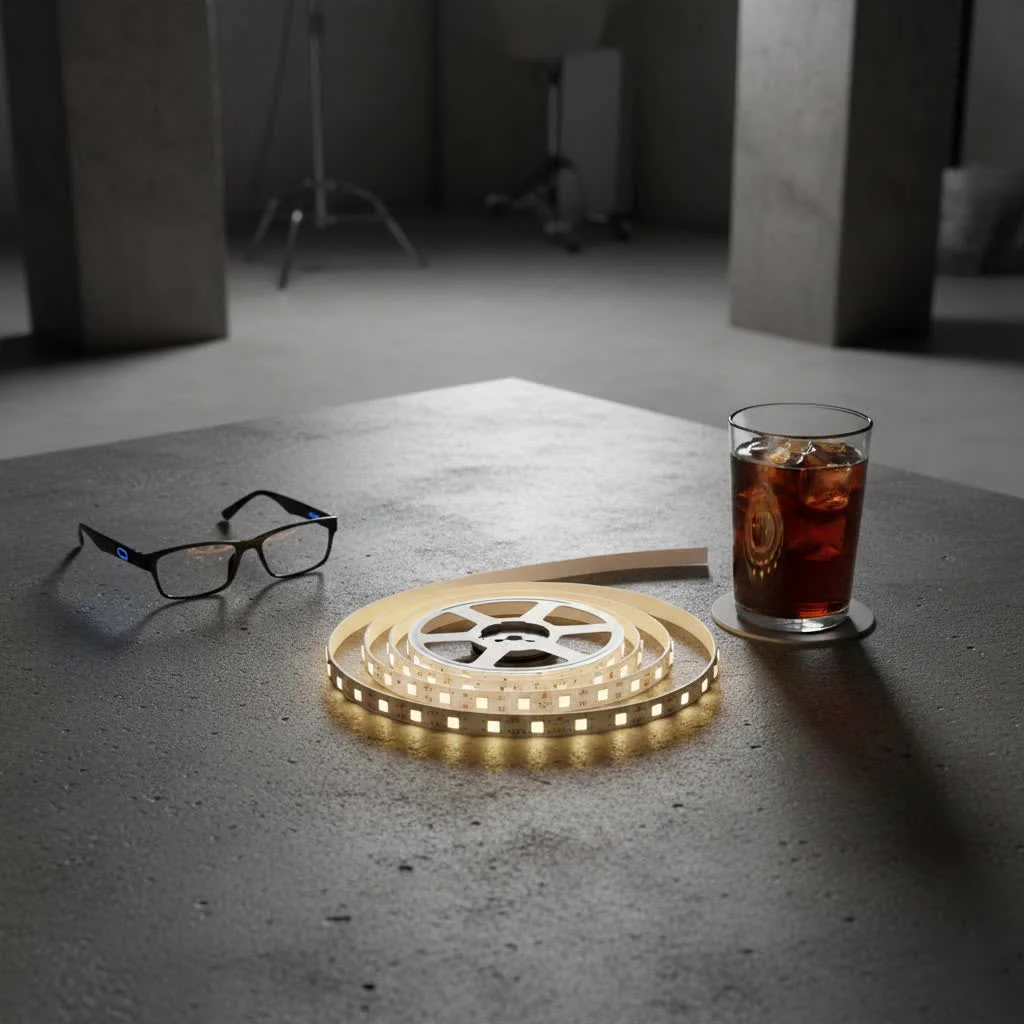
Ready to light up your world, your way? Let’s get started!
Understanding Dimmable LED Strip Lights: More Than Just Brightness Control
Dimmable LED strip lights are essentially flexible circuit boards populated with light-emitting diodes that allow you to adjust their light output. Think of it as having a symphony orchestra for your lighting—you can dial up the energy for a vibrant gathering or bring it down to a soft, intimate glow for a quiet evening. It’s not just about turning them on and off; it’s about crafting the perfect visual experience.
What are the main types of LED strip lights that are dimmable?
Most modern LED strip lights are designed with dimming capabilities, but they come in various forms to suit different needs and aesthetic preferences. You’ll primarily encounter:
- Single-Color (White) LED Strips: These offer various shades of white, such as warm white (2700K-3000K for a cozy feel), natural white (4000K-4500K for balanced illumination), and cool white/daylight (5000K-6500K for bright, invigorating light). All these can be dimmable, allowing you to soften or intensify their chosen white hue.
- RGB LED Strips: These strips contain Red, Green, and Blue LEDs, which can be mixed to create a vast spectrum of colors. Dimmable RGB strips allow you to control the intensity of any color you select, making them perfect for dynamic mood lighting.
- RGBW and RGBCCT (Tunable White) LED Strips: Taking it a step further, RGBW strips add a dedicated white LED chip for a purer white light alongside the RGB colors. RGBCCT, or “Tunable White,” strips often combine RGB with both warm white and cool white LEDs, giving you the ultimate flexibility to change both color and white temperature, all while being fully dimmable.
Choosing the right type depends entirely on your vision for the space. Do you want pure functional white light that can be softened for relaxation, or a full spectrum of colors to set the scene for any occasion? The dimmable feature enhances all of these.
How Do Dimmable LED Strip Lights Work? Understanding the Technology
The magic behind dimmable LED strip lights lies in their control mechanisms. Unlike traditional incandescent bulbs that dim by reducing voltage, LEDs require specific methods to achieve smooth brightness adjustments without flickering or performance issues.
What are the common dimming technologies for LED strip lights?
|
Our Picks for the Best LED Strip in 2026
As an Amazon Associate I earn from qualifying purchases.
|
||
| Num | Product | Action |
|---|---|---|
| 1 | Govee RGBIC LED Strip Lights, 32.8ft Smart LED Lights for Bedroom, Bluetooth LED Lights APP Control, DIY Multiple Colors on One Line, Color Changing LED Strip Lighting Music Sync, Home Decor |

|
| 2 | Govee Smart RGB LED Strip Lights for Bedroom, 32.8ft WiFi LED Light Strip Work with Alexa Google Assistant, 16 Million Colors with App Control and Music Sync Lights for Home Decor, 2 Rolls of 16.4ft |
|
| 3 | VOEWT LED Neon Lights Daylight White 6000K,9.8ft 110-120V LED Strip Lights,Flexible Outdoor Waterproof Neon Rope Lights for Bedroom,Cabinet,Kitchen,Living Room,Mirror,Halloween Decor |
|
| 4 | Govee 100ft RGBIC LED Strip Lights, Smart LED Lights Work with Alexa and Google Assistant, LED Lights for Bedroom WiFi App Control Segmented DIY Multiple Colors, Color Changing Light, (2 x 50ft) |
|
| 5 | Tenmiro Led Lights for Bedroom 100ft (2 Rolls of 50ft) Music Sync Color Changing Strip Lights with Remote and App Control RGB Strip, for Room Home Party Decoration |
|
| 6 | Govee RGBIC LED Strip Lights, Smart LED Lights for Bedroom, Bluetooth LED Lights APP Control, DIY Multiple Colors on One Line, Color Changing LED Strip Lighting Music Sync, Home Decor, 16.4ft |
|
| 7 | KSIPZE 100ft Led Strip Lights RGB Music Sync Color Changing Led Lights with Smart App Control Remote Led Lights for Bedroom Room Lighting Flexible Home Décor |
|
| 8 | Aclorol LED Strip Lights 5V USB 6.56FT/2M 640 LEDs Blue Indoor Rope Lights for Bedroom Not Waterproof IP20 CRI85+ Flexible LED Light for TV Backlight Living Room Party DIY Lighting |
|
| 9 | Govee Warm White LED Strip Lights, Bright 300 LEDs, 3000K Dimmable Light Strip 16.4ft with Control Box, LED Lights for Bedroom, Kitchen Cabinets, Living Room, ETL Listed Adapter Included |
|
| 10 | KANTUTOE LED Lights for TV, 16.4ft LED Lights for 45-75 Inch TVs, RGB TV Backlight Behind, Music Sync Bluetooth APP & Remote Control Strip Lights USB Powered for Bedroom, Gaming, Home Décor |
|
There are several prevalent technologies that enable LED strip lights to dim effectively, each with its own benefits and ideal applications:
- Pulse Width Modulation (PWM) Dimming: This is, by far, the most common and versatile method for low-voltage LED strips. PWM works by rapidly switching the LEDs on and off at a high frequency—so fast that your eyes perceive it as a continuous light source. The “dimming” happens when the duration of the “on” time is reduced relative to the “off” time. It offers precise brightness control, excellent color consistency, and is relatively affordable. Most dedicated LED dimmers and controllers utilize PWM.
- TRIAC (Phase-Cut) Dimming: Originally designed for incandescent bulbs, TRIAC dimming is often used when you want to integrate LED strip lights with existing household wall dimmers. It works by “chopping” the AC waveform, reducing the power supplied to the LED driver. For this to work smoothly, you need a TRIAC-compatible LED driver that can interpret these signals. Without the right driver, you might experience flickering, buzzing, or a limited dimming range.
- 0-10V Dimming: This is a more robust analog dimming protocol, widely adopted in commercial and larger residential installations. It uses a low-voltage control signal (0-10 volts DC) to tell the LED driver how bright to make the lights. A 10V signal means full brightness, while 0V means minimum brightness (often off).
- DALI (Digital Addressable Lighting Interface) Dimming: A professional digital control protocol that offers highly precise and addressable control over individual LED drivers or groups. It’s common in advanced smart homes and commercial buildings where sophisticated lighting scenes and zoning are required.
- Smart Controls (Wi-Fi/Bluetooth): Many modern dimmable LED strip lights come with integrated Wi-Fi or Bluetooth capabilities, allowing control via smartphone apps, voice assistants (like Alexa or Google Home), or smart home hubs. These systems often utilize PWM internally and offer immense flexibility for scheduling, scene creation, and remote operation.
For most DIY enthusiasts and residential projects, PWM dimmers or TRIAC-compatible systems (if integrating with existing wall dimmers) will be your primary considerations.
Choosing the Right Dimmable LED Strip Lights for Your Project
Selecting the perfect dimmable LED strip lights isn’t just about picking a color; it’s about matching the right specifications to your unique needs. Here’s what my decade of experience tells me to look for:
What factors should I consider when selecting dimmable LED strip lights?
When you’re browsing the options, keep these critical factors in mind to ensure you get a product that performs beautifully and lasts:
- Brightness (Lumens per Foot/Meter): How bright do you need your lights to be? For accent lighting, a lower lumen output is sufficient, while task lighting (like under-cabinet kitchen lights) demands higher brightness. Dimmability means you can always reduce intensity, but you can’t make dim strips brighter than their maximum.
- Color Temperature (CCT) or Color Options: For white lights, decide if you prefer warm (cozy), natural (versatile), or cool (energizing) white. If you want color-changing abilities, RGB, RGBW, or RGBCCT strips are ideal.
- Voltage (12V or 24V): Most residential LED strips operate at 12V or 24V DC. 24V strips are generally preferred for longer runs because they experience less “voltage drop,” which can cause uneven brightness towards the end of a long strip. Always match your power supply (driver) to the strip’s voltage.
- IP Rating (Ingress Protection): This indicates resistance to dust and water.
- IP20: Suitable for dry indoor environments.
- IP65: Splash-proof, good for kitchens or bathrooms where splashes might occur, or covered outdoor areas.
- IP67/IP68: Waterproof, designed for outdoor exposure or even submersion. Choose wisely based on your installation location.
- LED Density (LEDs per Meter): A higher LED density (e.g., 120 LEDs/meter vs. 60 LEDs/meter) generally results in a more continuous, “dotless” light effect and brighter output.
- Dimmer/Controller Compatibility: Ensure your chosen LED strips are compatible with the dimming method you intend to use (e.g., PWM dimmer, TRIAC wall dimmer with a compatible driver, or smart home system). Not all LED strips or drivers are universally dimmable, so always check the specifications.
Consider the atmosphere you want to create and the practical function of the lighting. For instance, in a media room, dimmable RGBW strips give you both mood lighting and functional white light for when you need it.
Simple Steps to Install Dimmable LED Strip Lights
Installing dimmable LED strip lights is a gratifying DIY project that most homeowners can tackle. With a little preparation and attention to detail, you’ll have beautifully customizable lighting in no time.
What are the essential steps for installing dimmable LED strip lights safely and effectively?
Here’s a straightforward guide to get your dimmable LED strip lights up and running:
-
Gather Your Tools and Plan Your Layout:
- Tools: LED strip lights, compatible power supply (driver), compatible dimmer/controller, connectors (if needed), scissors, tape measure, clean cloth, rubbing alcohol, wire strippers (if wiring directly), small screwdriver.
- Plan: Measure your space accurately. Decide where the power supply will be located (often concealed) and how the strip will run. Sketch it out if it’s a complex design.
- Test Before Installation: Always unroll your LED strip, connect it to the power supply and dimmer, and test it before sticking it down or cutting. This confirms everything is working and prevents wasted effort.
-
Prepare the Surface:
- The adhesive on LED strips works best on clean, dry, smooth surfaces. Thoroughly clean the installation area with a damp cloth, then follow up with rubbing alcohol to remove any grease or residue. Let it dry completely.
-
Measure and Cut the Strip:
- Carefully measure the exact length you need. LED strips have designated cut points, usually marked with a copper pad and a scissor icon. Only cut at these marked points to avoid damaging the circuit. Use sharp scissors for a clean cut.
-
Attach Connectors (If Necessary):
- If you’re connecting multiple strips, going around corners, or extending wires, use appropriate solderless connectors or solder the wires. Ensure positive (+) and negative (-) terminals align correctly.
-
Peel, Stick, and Secure:
- Peel off a small section of the adhesive backing from the LED strip.
- Carefully align the strip with your planned path and press it firmly onto the surface, working your way along the length. Avoid stretching the strip.
- For added security, especially on rougher surfaces or in high-traffic areas, consider using mounting clips (often included or sold separately).
-
Wire the Components:
- Connect LED Strip to Dimmer: The output from your LED strip (usually bare wires or a DC barrel connector) connects to the input of your dimmer/controller.
- Connect Dimmer to Power Supply: The output from your power supply (driver) connects to the input of your dimmer/controller. Pay close attention to positive and negative terminals, ensuring they match.
- Connect Power Supply to Mains: Finally, connect your power supply to the mains power (wall outlet or wired connection, often requiring a qualified electrician for the latter).
- Important Safety Note: Always unplug the power supply from the mains before making any electrical connections. Double-check all wiring before plugging it back in.
-
Test and Enjoy!
- Once all connections are secure and double-checked, plug in your power supply and test your dimmable LED strip lights. Adjust the brightness, change colors (if applicable), and ensure everything works smoothly.
“A successful installation begins with a meticulously planned layout and thorough surface preparation,” advises NamsP lighting expert, John Davies. “Rushing these initial steps often leads to frustrating reworks down the line.”
Maintenance Tips to Extend the Life of Your Dimmable LED Strip Lights
LED strip lights are known for their longevity, but a little care goes a long way in ensuring they continue to shine brightly and consistently for years.
How can I properly maintain my dimmable LED strip lights?
Follow these simple maintenance tips to maximize their lifespan and performance:
- Keep Them Clean: Dust and grime can accumulate on the LEDs, reducing their light output and potentially trapping heat. Gently wipe the strips with a dry, soft cloth or a very slightly dampened cloth (if they have an adequate IP rating for moisture).
- Ensure Proper Ventilation: LEDs generate heat, and while it’s usually minimal, trapped heat can shorten their lifespan. Avoid installing strips in overly enclosed spaces without adequate airflow. Using aluminum channels can help dissipate heat, especially for high-brightness strips.
- Check Connections Periodically: Loose connections can lead to flickering or complete failure. Occasionally inspect all wiring connections, especially if your strips are exposed to vibrations or frequent adjustments, and tighten them if necessary.
- Protect from Physical Damage: While flexible, LED strips are not indestructible. Avoid sharply bending them, stepping on them, or exposing them to excessive force. For outdoor installations, ensure they are protected from direct impact.
Creative Ideas: Transforming Spaces with Dimmable LED Strip Lights
Dimmable LED strip lights are a designer’s dream, offering incredible versatility to enhance aesthetics, create moods, and add functionality to any room or outdoor area. My favorite part of this job is seeing the ingenious ways people incorporate them!
What are some innovative ways to use dimmable LED strip lights in home decor?
Let your imagination run wild with these inspiring ideas:
- Under-Cabinet and Shelf Lighting: Dimmable white LED strips are perfect for task lighting in kitchens, brightening countertops without harsh glare. Dim them down for ambient evening light. Similarly, light up display shelves in living rooms or studies.
- Cove Lighting and Ceiling Accents: Install dimmable strips within ceiling coves or behind crown molding to create a beautiful, indirect glow that makes rooms feel larger and more luxurious. Adjust the brightness to shift the room’s mood from bright to intimate.
- Backlighting for TVs and Monitors: Applying dimmable RGB or RGBW strips behind your TV or monitor can reduce eye strain and enhance perceived contrast, creating a captivating entertainment experience.
- Staircase Lighting: Improve safety and add a modern touch by installing dimmable strips along stair treads or under handrails. Set them to a low brightness for subtle nighttime guidance.
- Bed Frame and Headboard Lighting: Create a cozy bedroom ambiance or a unique design feature by integrating dimmable strips around your bed frame or behind your headboard. Tunable white strips can even help align with your circadian rhythm, offering warmer light in the evenings.
- Outdoor Deck and Patio Lighting: With appropriate IP-rated dimmable strips, you can illuminate deck railings, steps, or perimeter features, setting the perfect mood for outdoor entertaining or relaxation.
- Art and Architectural Highlight: Use dimmable strips to subtly highlight artwork, sculptures, or unique architectural features, drawing attention to them with adjustable intensity.
“The true power of dimmable LED strip lights isn’t just in their color, but in their ability to adapt to any moment,” says Sarah Chen, an interior designer I often collaborate with. “You’re not just installing light; you’re installing dynamic atmosphere.”
Frequently Asked Questions About Dimmable LED Strip Lights
Got more questions? As the NamsP.com expert, I’m here to shed light on some of the most common queries I encounter.
Q: Why are my dimmable LED strip lights flickering?
A: Flickering is usually a sign of incompatibility or an inadequate power supply. First, ensure your dimmer is specifically rated for LEDs and compatible with your LED driver. Second, check if your power supply has enough wattage for the total length of your LED strips. Loose connections can also cause flickering, so inspect all wiring points.
Q: Can I use a regular dimmer switch with my dimmable LED strip lights?
A: Only if you have a TRIAC-compatible LED driver. Traditional dimmer switches are designed for incandescent bulbs and require a specific type of LED driver to interpret their signals correctly. Using a non-compatible driver with a regular dimmer will likely lead to flickering, buzzing, or an inability to dim properly.
Q: What is the difference between 12V and 24V dimmable LED strip lights?
A: Both 12V and 24V refer to the operating voltage. 24V LED strips are generally better for longer runs (typically over 5 meters or 16 feet) because they experience less voltage drop, resulting in more consistent brightness along the entire length. 12V strips are fine for shorter applications. Always match your power supply to the strip’s voltage.
Q: My dimmable LED strip lights have a dead section. How do I fix it?
A: A dead section often indicates physical damage to the strip, a faulty LED chip, or a loose/broken connection within that section. Inspect the strip for visible cuts or damage. If the strip is cuttable, you might be able to cut out the faulty section and reconnect the remaining parts with a connector. If it’s a product defect, contact your supplier for a replacement.
Q: How do I control the brightness of my dimmable LED strip lights?
A: The method of control depends on your setup. It could be a dedicated in-line dimmer switch, a wall-mounted rotary dimmer (with a TRIAC-compatible driver), a remote control (RF or IR), a smartphone app via Wi-Fi or Bluetooth, or through a smart home hub. Always ensure your controller is compatible with your specific LED strip and driver.
The NamsP.com Promise: Illuminate Your World
There you have it—a comprehensive dive into the fantastic world of dimmable LED strip lights! As your dedicated lighting expert at NamsP.com, I truly believe that mastering these versatile lights empowers you to create stunning, personalized lighting environments that not only look incredible but also enhance your daily living.
From selecting the perfect strip and understanding the nuances of dimming technology to confidently installing and maintaining your setup, you now have the knowledge to embark on your next lighting project. So go ahead, experiment with colors, adjust the brightness to suit every mood, and improve your home into a radiant reflection of your style. And the NamsP community is always here to support your lighting journey. Light up your life, one dimmable LED strip at a time!
Frequently Asked Questions
Why do my dimmable LED strip lights sometimes flicker?
Flickering in dimmable LED strip lights typically indicates an incompatibility between the dimmer and the LED driver, or an insufficient power supply. Ensure your dimmer is specifically rated for LEDs and that your power supply provides adequate wattage for the total length of your strips. Loose connections should also be checked.
Can a standard dimmer switch be used with dimmable LED strip lights?
A standard dimmer switch can only be used with dimmable LED strip lights if you have a TRIAC-compatible LED driver. Traditional dimmers are designed for incandescent bulbs and require a specific LED driver to correctly interpret their signals. Without the correct driver, you may experience flickering or improper dimming.
What is the key difference between 12V and 24V dimmable LED strip lights?
The main difference between 12V and 24V dimmable LED strip lights lies in their operating voltage and suitability for different lengths. 24V LED strips are generally better for longer runs, typically exceeding 5 meters (16 feet), as they experience less voltage drop, ensuring more consistent brightness along the entire length. Always match your power supply to the strip's voltage.
How can I fix a dead section in my dimmable LED strip lights?
A dead section in a dimmable LED strip light often points to physical damage, a faulty LED chip, or a loose connection within that specific segment. Inspect the strip for visible cuts or damage. If the strip is designed to be cut, you might be able to remove the faulty section and reconnect the remaining parts using a connector. For product defects, contact your supplier.
What are the common methods for controlling the brightness of dimmable LED strip lights?
Brightness control for dimmable LED strip lights varies based on the setup. Common methods include dedicated in-line dimmer switches, wall-mounted rotary dimmers (requiring a TRIAC-compatible driver), remote controls (RF or IR), smartphone apps via Wi-Fi or Bluetooth, or integration with a smart home hub. Always verify that your chosen controller is compatible with your specific LED strip and driver.
Install Dimmable LED Strip Lights
This guide provides essential steps for safely and effectively installing dimmable LED strip lights in your home or outdoor space, ensuring beautiful, customizable illumination.
Collect all necessary tools, including LED strips, power supply, dimmer, connectors, and measuring tape. Accurately measure your space and plan the strip's path and power supply location. Always unroll and test your LED strip with the power supply and dimmer before permanent installation to confirm functionality.
Ensure the installation surface is clean, dry, and smooth for optimal adhesive performance. Clean the area thoroughly with a damp cloth, then use rubbing alcohol to remove any grease or residue. Allow the surface to dry completely before proceeding.
Measure the exact length needed and cut the LED strip only at designated cut points, marked with a copper pad and scissor icon, using sharp scissors. If connecting multiple strips or navigating corners, use appropriate solderless connectors or solder wires, ensuring correct positive and negative terminal alignment.
Peel off a small section of the adhesive backing and carefully align the strip with your planned path. Press it firmly onto the surface, working along its length, and avoid stretching. For added security, especially on rougher surfaces, consider using mounting clips.
Connect the LED strip to the dimmer, then the dimmer to the power supply, paying close attention to positive and negative terminals. Finally, connect the power supply to the mains power (unplugged first for safety). Double-check all wiring, then plug in and test your dimmable LED strip lights to ensure smooth operation and brightness adjustment.
Get our weekly buyer guide
Practical specs, not advice. Unsubscribe anytime.

I finally got around to installing these dimmable LED strip lights in my living room, and wow, what a difference! The ability to adjust the brightness for different moods is a game-changer. I went with the RGBW type, and the warm white option is perfect for cozy evenings. Installation was pretty straightforward, even for a beginner like me.
These lights are fantastic for adding accent lighting under my kitchen cabinets. I love how I can easily change the color to match the occasion. The flexibility of the strips made it easy to get them into tight spots. My only minor complaint is that the adhesive could be a little stronger in some areas, but overall, I’m really happy with the customizable brightness.
These RGBCCT strips are exactly what I needed for my outdoor patio setup. The ability to control both color and color temperature is amazing for creating different ambiances for parties or just relaxing. The durability seems good so far, holding up to the elements. Definitely recommend for anyone looking to transform their outdoor space.
I bought a set of single-color dimmable LED strips for my bedroom, and while the dimming feature works well, I was a bit disappointed with the range of brightness. It doesn’t get quite as dim as I’d hoped for a true nightlight effect. They were easy to set up, though, and the light quality itself is good. Just wish for a bit more control at the lower end.