Imagine stepping into your backyard as dusk settles, and a soft, inviting glow washes over your patio, pathways, and garden features. That magical transformation is precisely what Outdoor Led Strip Lights can bring to your home. As a seasoned expert with over a decade in designing, installing, and repairing LED strip lighting, I’ve seen these flexible wonders evolve into essential tools for enhancing any exterior space. They’re not just about light; they’re about creating ambiance, boosting safety, and adding a touch of personal flair that truly extends your living area beyond your walls.
This comprehensive guide from NamsP will walk you through everything you need to know about outdoor LED strip lights, from selecting the perfect product to effortless installation, smart control, and even innovative decorative ideas. Get ready to illuminate your outdoor world with confidence and creativity!
Understanding Outdoor LED Strip Lights: More Than Just Pretty Glow
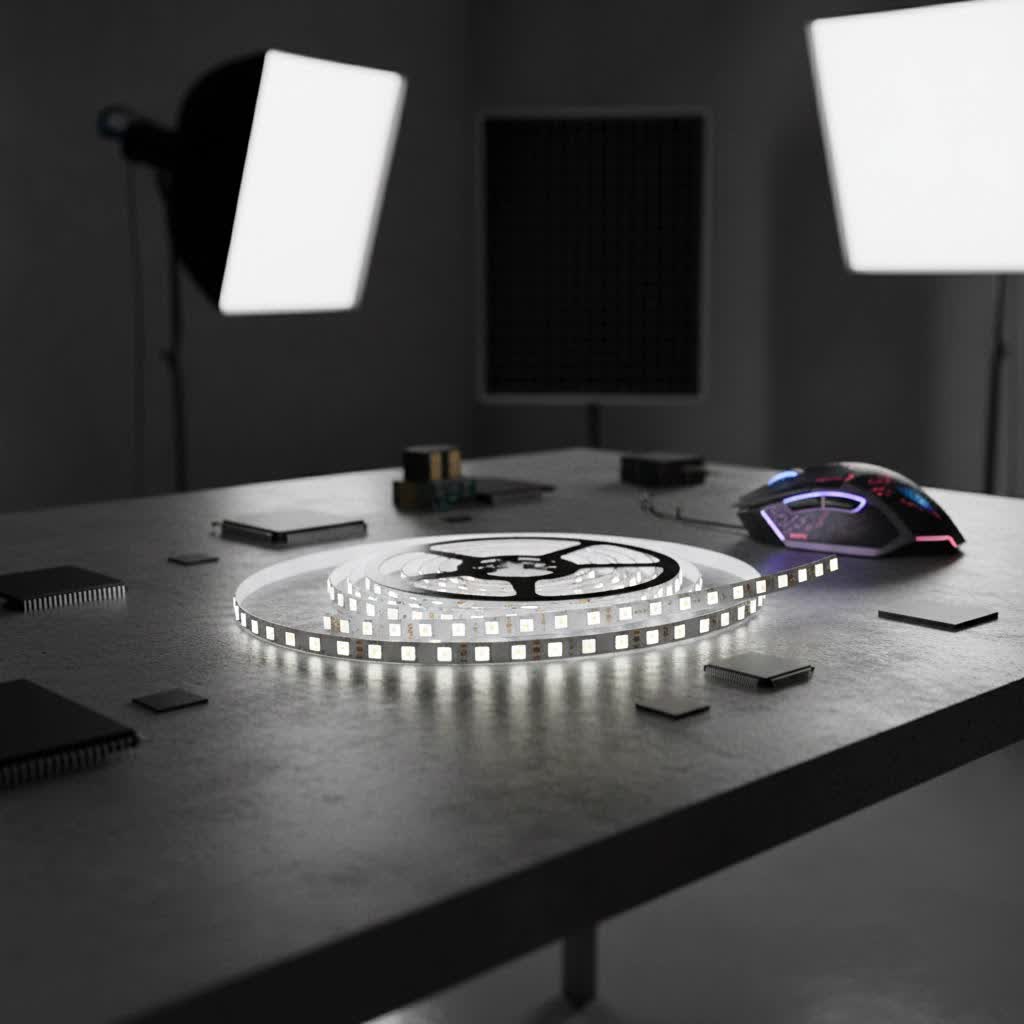
So, what exactly are outdoor LED strip lights, and why have they become such a game-changer for exterior illumination? Essentially, they are flexible circuit boards embedded with light-emitting diodes (LEDs), often encased in a protective, weather-resistant material. Unlike traditional bulky fixtures, these strips offer a seamless, linear light source that can be bent, cut, and adhered to almost any surface, opening up a world of design possibilities.
What Makes LED Strips “Outdoor-Ready”?
The key distinction for any lighting destined for the great outdoors lies in its ability to withstand the elements. This is where the Ingress Protection (IP) rating becomes your best friend. This two-digit number indicates how well a fixture protects against solids (like dust) and liquids (like water).
- IP65: This is your minimum for general outdoor use. It signifies “dust-tight” and protected against “water jets from any direction.” Think covered patios, eaves, or areas exposed to light rain.
- IP67: Stepping up, IP67 offers protection against immersion in water up to 1 meter for 30 minutes. Ideal for more exposed areas, like under deck railings or along garden edges that might get heavy rain or splashes.
- IP68: The champion of outdoor resilience, IP68 means “dust-tight” and protected against “continuous immersion in water.” This is what you need for applications near water features, in landscaping, or even temporarily submerged.
|
Our Picks for the Best LED Strip in 2026
As an Amazon Associate I earn from qualifying purchases.
|
||
| Num | Product | Action |
|---|---|---|
| 1 | Tenmiro Led Lights for Bedroom 100ft (2 Rolls of 50ft) Music Sync Color Changing Strip Lights with Remote and App Control RGB Strip, for Room Home Party Decoration |

|
| 2 | Govee 100ft RGBIC LED Strip Lights, Smart LED Lights Work with Alexa and Google Assistant, LED Lights for Bedroom WiFi App Control Segmented DIY Multiple Colors, Color Changing Light, (2 x 50ft) |
|
| 3 | Govee RGBIC LED Strip Lights, Smart LED Lights for Bedroom, Bluetooth LED Lights APP Control, DIY Multiple Colors on One Line, Color Changing LED Strip Lighting Music Sync, Home Decor, 16.4ft |
|
| 4 | Govee RGBIC LED Strip Lights, 32.8ft Smart LED Lights for Bedroom, Bluetooth LED Lights APP Control, DIY Multiple Colors on One Line, Color Changing LED Strip Lighting Music Sync, Home Decor |
|
| 5 | KSIPZE 100ft Led Strip Lights RGB Music Sync Color Changing Led Lights with Smart App Control Remote Led Lights for Bedroom Room Lighting Flexible Home Décor |
|
| 6 | Aclorol LED Strip Lights 5V USB 6.56FT/2M 640 LEDs Blue Indoor Rope Lights for Bedroom Not Waterproof IP20 CRI85+ Flexible LED Light for TV Backlight Living Room Party DIY Lighting |
|
| 7 | KANTUTOE LED Lights for TV, 16.4ft LED Lights for 45-75 Inch TVs, RGB TV Backlight Behind, Music Sync Bluetooth APP & Remote Control Strip Lights USB Powered for Bedroom, Gaming, Home Décor |
|
| 8 | Govee Smart RGB LED Strip Lights for Bedroom, 32.8ft WiFi LED Light Strip Work with Alexa Google Assistant, 16 Million Colors with App Control and Music Sync Lights for Home Decor, 2 Rolls of 16.4ft |
|
| 9 | Govee Warm White LED Strip Lights, Bright 300 LEDs, 3000K Dimmable Light Strip 16.4ft with Control Box, LED Lights for Bedroom, Kitchen Cabinets, Living Room, ETL Listed Adapter Included |
|
| 10 | VOEWT LED Neon Lights Daylight White 6000K,9.8ft 110-120V LED Strip Lights,Flexible Outdoor Waterproof Neon Rope Lights for Bedroom,Cabinet,Kitchen,Living Room,Mirror,Halloween Decor |
|
Without the right IP rating, your outdoor LED strip lights simply won’t last when faced with rain, dew, or even sprinkler spray.
The Brilliant Benefits of Taking Your LEDs Outdoors
Beyond their weather resistance, outdoor LED strip lights offer a host of advantages:
- Energy Efficiency: LEDs consume significantly less power than incandescent bulbs, translating into lower electricity bills and a smaller carbon footprint. They are a smart, sustainable choice for continuous outdoor lighting.
- Exceptional Durability and Lifespan: With lifespans often exceeding 50,000 hours, these lights can glow for years, minimizing the hassle and cost of frequent replacements.
- Unmatched Versatility: Their flexible nature allows them to conform to irregular shapes, tight corners, and long runs, making them perfect for outlining, accenting, or providing functional light in virtually any outdoor setting.
- Enhanced Aesthetics and Ambiance: From subtle accent lighting that defines architectural features to vibrant, color-changing displays for parties, outdoor LED strip lights create unique atmospheres.
Choosing the Perfect Outdoor LED Strip Lights for Your Oasis
Selecting the right outdoor LED strip lights for your project involves a few crucial considerations to ensure they meet your needs for performance, aesthetics, and longevity.
Navigating IP Ratings: Your First Line of Defense
As discussed, the IP rating is paramount. Ask yourself:
- Will the lights be directly exposed to rain and sprinklers? (IP65 or higher)
- Is there a chance of heavy downpours or even temporary submersion? (IP67 or IP68)
- Are they under a roof or eave with minimal exposure? (IP65 might suffice)
Matching the IP rating to your specific environmental conditions is vital for the long-term success of your exterior lighting.
Brightness and Color: Setting the Scene
The right illumination depends entirely on the mood and function you envision for your outdoor space.
- How Bright is Just Right? Brightness is measured in lumens. For subtle accent lighting, around 150-300 lumens per meter is often sufficient. If you need task lighting for an outdoor kitchen or pathways, aim for 400-600 lumens per meter. For general area illumination, consider 700-1000 lumens per meter.
- Color Temperature & RGB Options: “White” light isn’t just one color!
- Warm White (2000K-3000K): Creates a cozy, inviting, and relaxing atmosphere, perfect for patios and fire pit areas.
- Cool White (4000K-5000K): Offers a crisp, clean look, often preferred for modern designs or task-oriented areas.
- Daylight (5000K-6500K): Mimics natural daylight, providing bright, vibrant illumination.
- RGB/RGBIC: If you love variety, RGB (Red, Green, Blue) strips allow you to mix millions of colors. RGBIC (Independent Control) takes this a step further, letting you display multiple colors on a single strip simultaneously, creating dynamic, chase, and flowing effects.
- Control Options: Modern outdoor LED strip lights often come with smart features. Look for options with remote controls, smartphone app compatibility (via Wi-Fi or Bluetooth), or integration with smart home systems like Alexa or Google Assistant for voice control and scheduling.
Powering Up Safely: Voltage and Power Supplies
Most outdoor LED strip lights operate on low voltage (12V or 24V), which requires a dedicated power supply (driver or transformer) to convert your household AC power to the appropriate DC voltage.
- Low Voltage (12V/24V): Safer and ideal for most DIY projects, allowing for longer runs without significant voltage drop if planned correctly.
- 120V: Some specialized strips are available for direct plug-in to standard outlets, often for very long, uninterrupted runs, but these require extra caution during installation.
Always ensure your power supply’s wattage capacity is sufficient for the total length of your LED strips to prevent flickering or damage. And critically, use only outdoor-rated outlets and power supplies that are themselves protected against moisture.
Material Matters: Durability Beyond the Glow
High-quality outdoor LED strip lights are built with durability in mind. Look for:
- UV Resistance: Protection against degradation from sunlight, which can make cheaper plastics brittle over time.
- Silicone Casing: A robust, clear silicone or epoxy coating is commonly used to protect the LEDs and circuitry from water and dust while maintaining flexibility.
- Reputable Brands: Investing in brands known for quality materials and manufacturing ensures your lights will perform reliably in harsh outdoor conditions.
From Box to Brilliance: Your Step-by-Step Outdoor LED Strip Installation Guide
Installing outdoor LED strip lights can be a rewarding DIY project, but careful planning and execution are key. With my 10 years of hands-on experience, I can tell you that a little foresight goes a long way.
Step 1: Planning Your Masterpiece
Before peeling any adhesive, visualize! Measure all areas where you want to install the lights, sketching out a detailed layout. This helps you determine the exact length of strips needed and where to place power sources. Consider the direction the light will cast and how it interacts with your outdoor features.
Step 2: Gathering Your Toolkit (Checklist)
Having the right tools makes the job much smoother. Here’s what you’ll likely need:
- Outdoor LED strip lights (with appropriate IP rating)
- Weatherproof power supply (matching voltage and total wattage)
- Weatherproof connectors and/or heat-shrink tubing
- Mounting clips or strong, outdoor-grade adhesive tape (if not pre-applied or for extra security)
- Rubbing alcohol and a clean cloth
- Sharp scissors (if your strips are cuttable)
- Cable covers or conduit piping (optional, for aesthetics and added wire protection)
- Measuring tape
- Pencil or painter’s tape (for marking your layout)
Step 3: Prepping Your Outdoor Canvas
This step is often overlooked but is absolutely critical for a lasting installation, especially if using adhesive.
- Clean the surface thoroughly: Dirt, dust, grease, and moisture will prevent the adhesive from bonding properly. Use rubbing alcohol and a clean cloth to wipe down the entire mounting area.
- Ensure it’s dry and smooth: Allow the surface to dry completely before proceeding. For rough or porous surfaces, rely more heavily on mounting clips or consider a different installation method.
Step 4: Securely Mounting Your LED Strips
Most outdoor LED strip lights come with pre-applied adhesive backing.
- Peel and stick slowly: As you peel back the protective film, firmly press the strip onto the prepared surface. Apply consistent pressure along the entire length to ensure a strong, even bond.
- Using mounting clips: For added security, especially on vertical surfaces, overhead applications, or in windy areas, mounting clips are invaluable. Space them evenly along the strip.
- Avoid sharp bends: LED strips are flexible, but extreme or sharp bending can damage the internal circuitry. Use connectors for 90-degree turns or gently curve the strip around corners. If your strips are cuttable, only cut at the designated marks (usually indicated by copper pads) to maintain functionality and waterproofing.
Step 5: Connecting and Testing for a Flawless Finish
This is where your vision comes to light!
- Connect the system: Attach your LED strips to any controllers, then to the weatherproof power supply. Pay close attention to matching voltage and polarity (positive to positive, negative to negative).
- Test before sealing: Before making any connections permanent or fully sealing things up, plug in your system and test all the lights, colors, and control functions. This allows you to troubleshoot any issues early on.
- Secure and protect connections: Once everything is working, use weatherproof connectors, heat-shrink tubing, or specialized gel-filled connection boxes to protect all wire junctions from moisture.
- Cable management: Neatly route and secure any visible wires using cable ties, clips, or conduit. This not only looks professional but also prevents tripping hazards and protects wires from damage.
Keeping the Glow Alive: Maintenance Tips for Longevity
Like any outdoor fixture, your outdoor LED strip lights will benefit from a little tender loving care to maintain their brilliance and extend their lifespan.
- Regular Cleaning: Over time, dust, pollen, and dirt can accumulate on the strips, dimming their output. Gently wipe them down with a soft, damp cloth. For stubborn grime, a mild soap solution followed by a clean water wipe works wonders. Avoid harsh chemicals that could damage the protective coating.
- Periodic Inspection: After extreme weather or every few months, do a quick visual check. Look for any signs of wear, such as cracks in the silicone coating, peeling adhesive, or loose connections.
- Addressing Issues Promptly: If you spot any damage, address it quickly. Small cracks in the waterproofing can be sealed with a suitable outdoor-rated sealant or liquid electrical tape. Loose connections should be re-secured immediately. Early detection and repair prevent minor issues from becoming major problems.
- Protect from Extremes: While designed for outdoors, prolonged exposure to extremely hot surfaces (like direct sun on dark metal) or sub-zero temperatures can impact performance and lifespan. Ensure adequate air circulation where possible.
Unleash Your Inner Designer: Creative Outdoor LED Strip Light Ideas
The true magic of outdoor LED strip lights lies in their incredible versatility. Here are some of my favorite ways to use them to transform any exterior space:
- Pathways & Stairs: Outline garden paths, driveways, or stair treads for enhanced safety and a sophisticated, guiding glow. This eliminates dark spots and highlights architectural lines.
- Deck & Patio Ambiance: Install strips under deck railings, along the perimeter of your patio, or beneath outdoor furniture to create a warm, inviting atmosphere for gatherings or quiet evenings.
- Garden & Landscape Illumination: Wrap them around tree trunks, outline flower beds, or accent unique plants and sculptures. Warm white strips can make greenery pop, while RGB options can add seasonal splashes of color.
- Architectural Highlights: Trace rooflines, illuminate columns, or create stunning wall wash effects to emphasize your home’s unique features and boost curb appeal.
- Seasonal & Event Decor: Easily change the look of your home for holidays (think red and green for Christmas, orange for Halloween) or special events. RGB strips are perfect for dynamic party lighting.
- Outdoor Kitchens & Bars: Provide functional task lighting under countertops and shelves, or add a stylish glow to bar areas for evening entertainment.
Expert Insight:
“Innovation in outdoor lighting isn’t just about brightness; it’s about smart, sustainable integration. High-quality outdoor LED strip lights offer both, allowing homeowners to personalize their outdoor experiences with unprecedented ease and confidence.” – Michael Evans, Lead Lighting Designer at NamsP.
Frequently Asked Questions About Outdoor LED Strip Lights
Q1: Can all LED strip lights be used outdoors?
No, absolutely not. Only outdoor LED strip lights with an adequate Ingress Protection (IP) rating (typically IP65, IP67, or IP68) are designed to withstand outdoor conditions like moisture, dust, and temperature fluctuations. Using indoor strips outside will lead to damage and potential safety hazards.
Q2: What IP rating is best for outdoor use?
For general outdoor exposure to light rain or splashes, an IP65 rating is usually sufficient. If the lights will be heavily exposed to water, such as in gardens, near sprinklers, or under deck railings, an IP67 rating is highly recommended. For applications where lights might be temporarily or continuously submerged (e.g., near ponds or pool edges), an IP68 rating is essential.
Q3: How do I power outdoor LED strip lights?
Most outdoor LED strip lights operate on low voltage (12V or 24V) and require a weatherproof power supply (driver/transformer) to convert standard household electricity to the correct voltage. Ensure the power supply is specifically rated for outdoor use and matches the total wattage requirements of your LED strips. Always plug into an outdoor-rated outlet.
Q4: Are outdoor LED strip lights energy efficient?
Yes, they are highly energy-efficient. LED technology consumes significantly less power than traditional incandescent or halogen lighting, leading to substantial savings on your electricity bills. This efficiency also contributes to their long lifespan and cooler operating temperatures.
Q5: Can I cut outdoor LED strip lights to size?
Many outdoor LED strip lights are designed to be cuttable at specific, marked intervals (usually indicated by copper pads). However, it’s crucial to seal the cut ends with weatherproof end caps and sealant to maintain the strip’s IP rating and prevent moisture ingress. Always check the manufacturer’s instructions before cutting.
Q6: How long do outdoor LED strip lights typically last?
High-quality outdoor LED strip lights are known for their longevity, often lasting 50,000 hours or more. This translates to many years of use, even with nightly operation. Proper installation, adequate waterproofing, and regular maintenance can further extend their lifespan.
Q7: What are some common problems with outdoor LED strip lights and how do I fix them?
Common problems include dimming, flickering, or sections not lighting up. Often, this is due to loose or corroded connections (re-secure or replace weatherproof connectors), an overloaded power supply (ensure wattage matches strip length), or moisture ingress (check IP rating, seal cuts, protect power supply). If a section fails, it might be a damaged LED or circuit, requiring replacement of that section.
Conclusion
Outdoor LED strip lights offer an unparalleled combination of versatility, energy efficiency, and aesthetic appeal, making them the ultimate tool for transforming any exterior space. Whether you’re aiming to create a cozy patio ambiance, illuminate pathways for safety, or highlight the unique features of your landscape, these innovative lights provide endless possibilities. By understanding the critical factors like IP ratings, brightness, and proper installation techniques, you can confidently select and set up a stunning outdoor lighting system that will enhance your home for years to come.
Don’t let your outdoor areas remain in the dark; unleash your creativity and let outdoor LED strip lights bring your vision to life. Share your outdoor lighting projects with us at NamsP – we’re always thrilled to see how our community is brightening their world!
