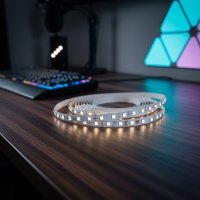
Have you ever walked into a room and been captivated by the subtle glow emanating from behind a TV, under kitchen cabinets, or along a staircase? Chances are, you’ve witnessed the magic of 12V LED strip lights. These versatile, energy-efficient lighting solutions have revolutionized home and commercial decor, offering an endless array of possibilities for ambiance, task lighting, and creative accents. Whether you’re a seasoned DIY enthusiast or just starting your journey into the world of custom lighting, understanding 12V LED strip lights is your first step to illuminating your space with style and precision. They are incredibly popular for their ease of use, safety, and adaptability, making them a go-to choice for countless projects.
Understanding 12V LED Strip Lights
At their core, 12V LED strip lights are flexible circuit boards embedded with light-emitting diodes (LEDs) that operate on a low-voltage 12-volt direct current (DC) power supply. This low voltage is a key feature, making them inherently safer to handle and easier to integrate into various setups compared to high-voltage alternatives. The “strip” nature allows them to be cut to specific lengths and bent around corners, providing unparalleled flexibility in design.
What Makes 12V Ideal?
The 12V system is widely adopted for LED strip lighting due to several practical advantages:
- Safety: Lower voltage significantly reduces the risk of electrical shock.
- Efficiency: LEDs are highly efficient, converting most of their energy into light rather than heat.
- Flexibility: The strips are thin and can be bent and cut, allowing for custom installations.
- Portability: Many portable applications, like car interiors or battery-powered setups, use 12V.
- Ease of Installation: Simple wiring requirements make them beginner-friendly.
Types of 12V LED Strip Lights
When diving into the world of 12V LED strip lights, you’ll encounter several types, each with unique characteristics:
- Single Color Strips: These emit a consistent color, typically warm white, cool white, red, green, or blue. They are perfect for consistent ambient or task lighting where color changing isn’t needed.
- RGB (Red, Green, Blue) Strips: These strips contain individual red, green, and blue LEDs that can be mixed to produce millions of colors. They are controlled by an RGB controller, offering dynamic lighting effects.
- RGBW/RGBWW Strips: Adding a dedicated white (W) or warm white (WW) LED to the RGB configuration, these strips offer truer white tones and broader color mixing capabilities, enhancing versatility.
- Tunable White Strips: Featuring both warm white and cool white LEDs, these strips allow you to adjust the color temperature from a cozy warm glow to a crisp cool light, adapting to different moods or times of day.
Beyond color, consider the LED density (e.g., 30 LEDs/meter, 60 LEDs/meter, 120 LEDs/meter) which affects brightness and how continuous the light appears, and the IP (Ingress Protection) rating, indicating resistance to dust and water for indoor or outdoor use.
Choosing the Right 12V LED Strip Lights for Your Needs
Selecting the perfect 12V LED strip lights can seem daunting, but by focusing on a few key factors, you can make an informed decision.
Key Considerations for Selection
|
Our Picks for the Best LED Strip in 2026
As an Amazon Associate I earn from qualifying purchases.
|
||
| Num | Product | Action |
|---|---|---|
| 1 | KANTUTOE LED Lights for TV, 16.4ft LED Lights for 45-75 Inch TVs, RGB TV Backlight Behind, Music Sync Bluetooth APP & Remote Control Strip Lights USB Powered for Bedroom, Gaming, Home Décor |

|
| 2 | VOEWT LED Neon Lights Daylight White 6000K,9.8ft 110-120V LED Strip Lights,Flexible Outdoor Waterproof Neon Rope Lights for Bedroom,Cabinet,Kitchen,Living Room,Mirror,Halloween Decor |
|
| 3 | Govee RGBIC LED Strip Lights, Smart LED Lights for Bedroom, Bluetooth LED Lights APP Control, DIY Multiple Colors on One Line, Color Changing LED Strip Lighting Music Sync, Home Decor, 16.4ft |
|
| 4 | Govee RGBIC LED Strip Lights, 32.8ft Smart LED Lights for Bedroom, Bluetooth LED Lights APP Control, DIY Multiple Colors on One Line, Color Changing LED Strip Lighting Music Sync, Home Decor |
|
| 5 | Govee 100ft RGBIC LED Strip Lights, Smart LED Lights Work with Alexa and Google Assistant, LED Lights for Bedroom WiFi App Control Segmented DIY Multiple Colors, Color Changing Light, (2 x 50ft) |
|
| 6 | KSIPZE 100ft Led Strip Lights RGB Music Sync Color Changing Led Lights with Smart App Control Remote Led Lights for Bedroom Room Lighting Flexible Home Décor |
|
| 7 | Aclorol LED Strip Lights 5V USB 6.56FT/2M 640 LEDs Blue Indoor Rope Lights for Bedroom Not Waterproof IP20 CRI85+ Flexible LED Light for TV Backlight Living Room Party DIY Lighting |
|
| 8 | Govee Smart RGB LED Strip Lights for Bedroom, 32.8ft WiFi LED Light Strip Work with Alexa Google Assistant, 16 Million Colors with App Control and Music Sync Lights for Home Decor, 2 Rolls of 16.4ft |
|
| 9 | Govee Warm White LED Strip Lights, Bright 300 LEDs, 3000K Dimmable Light Strip 16.4ft with Control Box, LED Lights for Bedroom, Kitchen Cabinets, Living Room, ETL Listed Adapter Included |
|
| 10 | Tenmiro Led Lights for Bedroom 100ft (2 Rolls of 50ft) Music Sync Color Changing Strip Lights with Remote and App Control RGB Strip, for Room Home Party Decoration |
|
- Brightness (Lumens): How bright do you need your lights to be? For accent lighting, lower lumens are sufficient. For task lighting (e.g., under cabinet), you’ll want higher lumen output.
- Color Temperature (CCT): Measured in Kelvins (K), this determines the “warmth” or “coolness” of white light.
- 2700K-3000K: Warm White (cozy, inviting)
- 3500K-4500K: Natural White (balanced, good for general lighting)
- 5000K-6500K: Cool White/Daylight (bright, energetic, ideal for task-oriented areas)
- Power Consumption (Watts/Meter): This directly impacts your power supply choice. Calculate the total wattage needed for your strip length.
- Length and Cut Points: Measure your installation area accurately. Ensure the strip can be cut at designated points (usually every 1-3 LEDs) to fit your exact dimensions.
- Adhesive Quality: A high-quality 3M adhesive backing is crucial for secure, long-lasting installation.
- Controller and Dimming: Do you need dimming, color changing, or remote control? Choose strips compatible with the desired control system.
- Environment (IP Rating):
- IP20/IP30: Indoor, dry environments.
- IP65: Splash-proof, suitable for kitchens or bathrooms.
- IP67/IP68: Waterproof, ideal for outdoor or submerged applications.
“Always consider the ambient lighting and purpose of your installation,” advises expert lighting designer, Sarah Chen. “A kitchen might need bright, cool white for cooking, while a living room benefits from warm, dimmable lighting for relaxation.”
Simple Steps to Install 12V LED Strip Lights
Installing 12V LED strip lights is a straightforward process that anyone can tackle with a few basic tools and a little patience.
Checklist: Tools and Materials You’ll Need
Before you begin, gather these essentials:
- 12V LED strip lights
- 12V DC power supply (LED driver)
- LED controller (for RGB/tunable white strips)
- Wire strippers
- Small screwdriver
- Measuring tape
- Scissors
- Alcohol wipes or rubbing alcohol
- Optional: LED connectors, soldering iron, heat shrink tubing, mounting clips
Step-by-Step Installation Guide
- Plan Your Layout: Measure the area where the 12V LED strip lights will be installed. Mark where the strip will begin and end, and identify any corners or obstacles.
- Prepare the Surface: Clean the installation surface thoroughly with alcohol wipes. This removes dust and grease, ensuring the adhesive backing sticks securely. Allow it to dry completely.
- Cut the Strip (If Necessary): If your strip is too long, cut it at the designated copper pads, usually marked with a scissor icon. Be precise!
- Connect to Power:
- For single-color strips: Connect the positive (+) and negative (-) wires from the LED strip to the corresponding terminals on your 12V DC power supply.
- For RGB/tunable white strips: Connect the strip to your LED controller, then connect the controller to the 12V DC power supply. Ensure all polarities match.
- If using connectors, follow the manufacturer’s instructions to ensure a secure connection. For soldering, tin the wires and pads before making the connection, then secure with heat shrink tubing.
- Test the Lights: Before peeling off the adhesive, connect everything and test the lights to ensure they work correctly and are oriented as desired.
- Mount the Strip: Carefully peel off the adhesive backing (usually 3M tape) in small sections. Press the 12V LED strip firmly onto the prepared surface, working your way along the length. Apply consistent pressure.
- Secure Wiring: Tidy up any loose wires using cable clips or ties to maintain a clean and professional look.
Remember, always disconnect the power supply before making any connections or adjustments to ensure safety.
Maintenance Tips for Longer Lifespan of Your 12V LED Strip Lights
Proper care can significantly extend the life and performance of your 12V LED strip lights. These aren’t high-maintenance items, but a little attention goes a long way.
Simple Maintenance Practices
- Gentle Cleaning: Dust and grime can accumulate over time, slightly reducing brightness. Gently wipe the strips with a dry, soft cloth or a slightly damp (not wet) cloth. Avoid harsh chemicals or abrasive cleaners.
- Check Connections Periodically: Loose connections can lead to flickering or complete failure. Occasionally inspect the power supply, controller, and strip connectors to ensure they are secure.
- Ensure Proper Ventilation: While LEDs produce less heat than traditional bulbs, proper airflow around the strips (especially high-density ones) can prevent heat buildup and prolong their life. Don’t cover them with insulation unless specifically designed for it.
- Use the Right Power Supply: Always use a 12V DC power supply that meets or exceeds the total wattage requirement of your LED strip. An undersized power supply can cause flickering or premature failure, while an oversized one is merely inefficient.
- Avoid Physical Stress: Do not sharply bend or twist the 12V LED strip lights, especially at the cutting points, as this can damage the internal circuitry.
“Good maintenance habits for your 12V LED strip lights are about prevention,” says electrical technician, David Miller. “It’s far easier to do a quick check-up than to troubleshoot a failed system.”
Creative Ideas with 12V LED Strip Lights in Home Decoration
The true beauty of 12V LED strip lights lies in their incredible versatility, allowing you to transform any space with stunning effects. Here are some inspiring ideas to get your creative juices flowing:
Elevating Your Interiors
- Under Cabinet Lighting: A classic application that brightens countertops, making food preparation easier and adding a modern touch to your kitchen.
- Cove Lighting: Install strips in a hidden recess along the ceiling or wall to create a soft, diffused ambient glow that “washes” the room with light.
- Backlighting TVs and Monitors: Reduce eye strain and create an immersive viewing experience by attaching RGB 12V LED strip lights behind your entertainment setup.
- Shelf and Display Case Illumination: Highlight collectibles, books, or artwork with a subtle glow, drawing attention to your prized possessions.
- Staircase Accent Lighting: Enhance safety and add a dramatic effect by lining the underside of stair treads with 12V LED strip lights.
- Bed Frame Lighting: Create a luxurious, floating effect by installing strips under your bed frame.
- Closet Lighting: Brighten up dark closets, making it easier to find clothes and accessories.
Enhancing Outdoor Spaces
- Deck and Patio Lighting: Use waterproof (IP67/IP68) 12V LED strip lights to outline deck edges, pergolas, or patio areas for beautiful evening ambiance.
- Garden Pathway Lighting: Safely illuminate garden paths without harsh glare.
- Accent Landscaping: Highlight specific features like trees, fountains, or flowerbeds with subtle, colored light.
- Poolside Lighting: Create a resort-like feel around your pool area with waterproof strips.
With so many options, you can personalize your home with dynamic lighting that reflects your style and enhances functionality.
Frequently Asked Questions about 12V LED Strip Lights
Here are some common questions people ask when exploring 12V LED strip lights:
Q1: Can I connect 12V LED strip lights directly to a wall outlet?
A1: No, you cannot. 12V LED strip lights require a 12V DC power supply (often called an LED driver or transformer) to convert the standard household AC voltage (typically 120V or 240V) down to 12V DC. Connecting them directly will burn them out instantly.
Q2: How do I know what size power supply (driver) I need?
A2: Calculate the total wattage of your LED strip by multiplying its watts per foot/meter by the total length in feet/meters. Then, add a 10-20% buffer for safety and longevity. For example, if you have 10 feet of strip that uses 5 watts per foot, you need a (10 * 5) = 50-watt power supply. With a 20% buffer, aim for at least a 60-watt power supply.
Q3: Are 12V LED strip lights safe for outdoor use?
A3: Yes, but only if they have an appropriate IP (Ingress Protection) rating. For outdoor use where they might be exposed to rain or moisture, look for strips with an IP65, IP67, or IP68 rating. IP68 is suitable for submersion.
Q4: Can I cut 12V LED strip lights anywhere?
A4: No, 12V LED strip lights can only be cut at designated points, usually marked with a scissor icon and copper pads. Cutting elsewhere will damage the circuit and prevent that section from working.
Q5: What’s the difference between 12V and 24V LED strip lights?
A5: Both 12V and 24V LED strip lights are low voltage. The main difference is that 24V strips can be run in longer continuous lengths before voltage drop becomes an issue, allowing for more consistent brightness over extended distances. 12V strips are better for shorter runs and where finer cut increments are needed.
Q6: Do 12V LED strip lights get hot?
A6: While LEDs are very efficient, they do produce some heat. High-density or high-power 12V LED strip lights can get warm to the touch. It’s generally a good idea to install them on a heat-dissipating surface like aluminum channels, especially for prolonged use, to extend their lifespan.
Light Up Your World with 12V LED Strip Lights
From subtle accent lighting to vibrant room transformations, 12V LED strip lights offer an unparalleled blend of flexibility, efficiency, and creative potential. With the knowledge gained here, you’re now equipped to choose the right strips for your project, install them with confidence, and maintain them for years of brilliant illumination. Embrace the DIY spirit and unlock the endless possibilities these incredible lighting solutions provide. Whether you’re enhancing your kitchen, illuminating your garden, or simply adding a touch of personal flair to your space, 12V LED strip lights are your go-to choice for bringing your lighting visions to life safely and effectively. It’s time to brighten your world, one strip at a time!
Get our weekly buyer guide
Practical specs, not advice. Unsubscribe anytime.