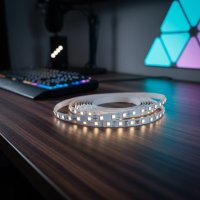
Have you ever envisioned a lighting setup that seems to appear from nowhere, casting a beautiful glow only when you desire it? That’s the magic of black LED strip lights. They’re not just about light; they’re about an aesthetic experience, providing powerful illumination while remaining virtually invisible when off. If you’re looking to elevate your home, office, or any space with a touch of modern sophistication, understanding these innovative lighting solutions is your first step. As a content creator for NamsP, your trusted source for LED strip expertise, I’m here to illuminate every corner of this fascinating topic.
What Makes Black LED Strip Lights Unique?
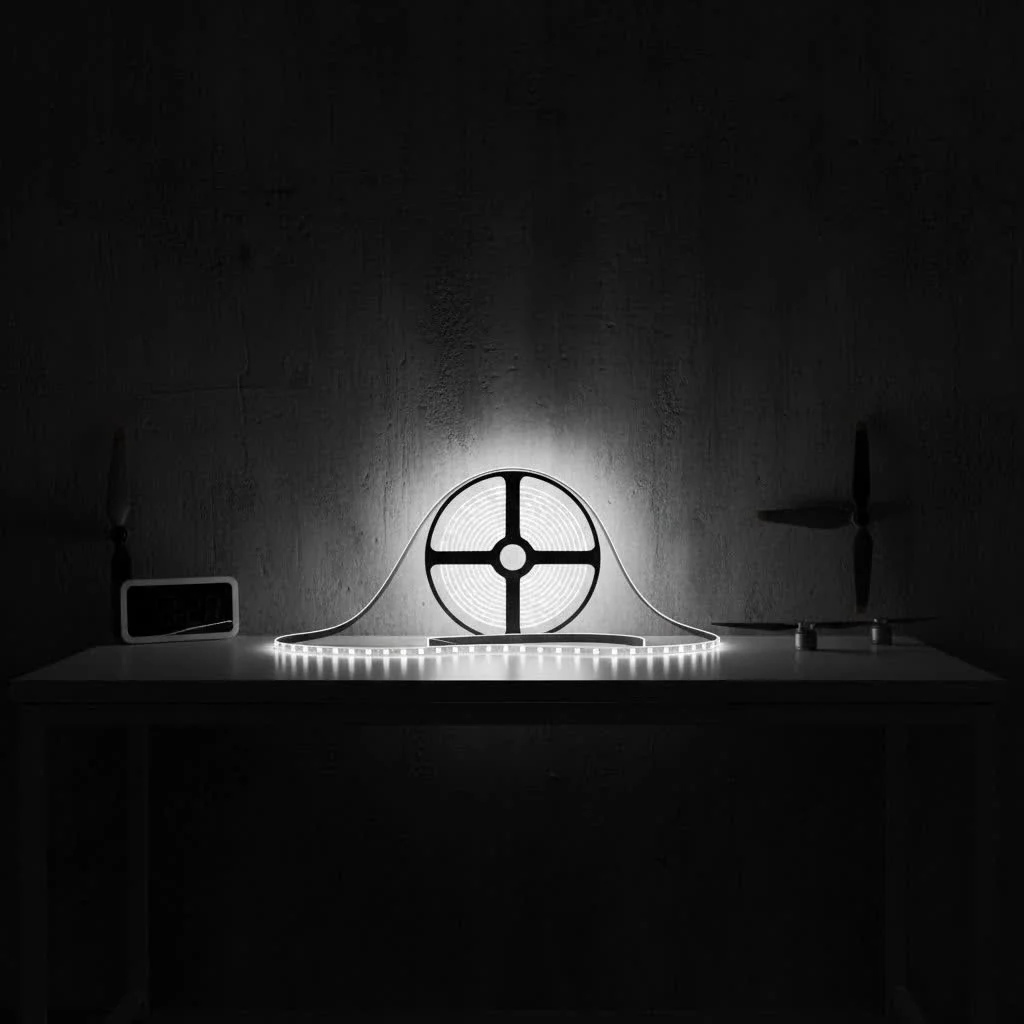
At first glance, you might think “black LED strip lights” simply refer to the color of the light they emit. However, the true distinction lies in their design: the Printed Circuit Board (PCB) itself is black. This is a game-changer for interior and exterior design. While traditional LED strips often feature a white PCB that can stand out against darker backgrounds, black LED strip lights are engineered to blend seamlessly into their surroundings when turned off. This means your lighting hardware won’t distract from your carefully curated aesthetic.
The Aesthetic Edge: Blending into Your Design
Imagine a sleek, minimalist home theater setup. With regular LED strips, you might see a white line where the lights are installed when the movie isn’t playing. Black LED strip lights, on the other hand, virtually disappear against dark walls, furniture, or entertainment units. This “invisible when off” quality is their most compelling aesthetic advantage, allowing for a cleaner, more integrated look. They’re perfect for creating a dramatic reveal when the lights come on, transforming a space with a hidden source of brilliance.
Why does a black PCB matter for aesthetics?
A black PCB ensures that the LED strip’s physical presence is minimized, making it an ideal choice for installations on dark surfaces like black shelving, beneath dark cabinets, or along the edges of a deep-colored ceiling. The strip becomes part of the background, only revealing its true function when illuminated.
Beyond Aesthetics: Performance Benefits of Black LED Strip Lights
While their chameleon-like ability to blend in is a major draw, black LED strip lights offer more than just good looks. Their design contributes to several performance advantages that can enhance your lighting experience.
Focused Illumination and Enhanced Contrast
Black PCBs absorb light rather than reflecting it, which can be a significant benefit in certain applications. This absorption reduces unwanted light spill and glare, allowing the emitted light to appear more focused and intentional. When used for accent lighting, this characteristic can intensify color vibrancy and contrast, making illuminated objects or architectural features truly pop. Think about highlighting artwork or creating dramatic backlighting – the black PCB helps ensure that only the light you want to see is visible, and it’s seen with greater impact.
Thermal Management Considerations
|
Our Picks for the Best LED Strip in 2026
As an Amazon Associate I earn from qualifying purchases.
|
||
| Num | Product | Action |
|---|---|---|
| 1 | Govee RGBIC LED Strip Lights, Smart LED Lights for Bedroom, Bluetooth LED Lights APP Control, DIY Multiple Colors on One Line, Color Changing LED Strip Lighting Music Sync, Home Decor, 16.4ft |

|
| 2 | Govee RGBIC LED Strip Lights, 32.8ft Smart LED Lights for Bedroom, Bluetooth LED Lights APP Control, DIY Multiple Colors on One Line, Color Changing LED Strip Lighting Music Sync, Home Decor |
|
| 3 | Govee Smart RGB LED Strip Lights for Bedroom, 32.8ft WiFi LED Light Strip Work with Alexa Google Assistant, 16 Million Colors with App Control and Music Sync Lights for Home Decor, 2 Rolls of 16.4ft |
|
| 4 | Govee Warm White LED Strip Lights, Bright 300 LEDs, 3000K Dimmable Light Strip 16.4ft with Control Box, LED Lights for Bedroom, Kitchen Cabinets, Living Room, ETL Listed Adapter Included |
|
| 5 | Aclorol LED Strip Lights 5V USB 6.56FT/2M 640 LEDs Blue Indoor Rope Lights for Bedroom Not Waterproof IP20 CRI85+ Flexible LED Light for TV Backlight Living Room Party DIY Lighting |
|
| 6 | KANTUTOE LED Lights for TV, 16.4ft LED Lights for 45-75 Inch TVs, RGB TV Backlight Behind, Music Sync Bluetooth APP & Remote Control Strip Lights USB Powered for Bedroom, Gaming, Home Décor |
|
| 7 | Govee 100ft RGBIC LED Strip Lights, Smart LED Lights Work with Alexa and Google Assistant, LED Lights for Bedroom WiFi App Control Segmented DIY Multiple Colors, Color Changing Light, (2 x 50ft) |
|
| 8 | Tenmiro Led Lights for Bedroom 100ft (2 Rolls of 50ft) Music Sync Color Changing Strip Lights with Remote and App Control RGB Strip, for Room Home Party Decoration |
|
| 9 | VOEWT LED Neon Lights Daylight White 6000K,9.8ft 110-120V LED Strip Lights,Flexible Outdoor Waterproof Neon Rope Lights for Bedroom,Cabinet,Kitchen,Living Room,Mirror,Halloween Decor |
|
| 10 | KSIPZE 100ft Led Strip Lights RGB Music Sync Color Changing Led Lights with Smart App Control Remote Led Lights for Bedroom Room Lighting Flexible Home Décor |
|
The thermal properties of black PCBs are often a topic of discussion. Some studies suggest that black PCBs can absorb and dissipate heat more efficiently compared to their white counterparts, especially in high-power LED applications or environments exposed to direct sunlight. This improved heat dissipation can contribute to a longer lifespan for the LED chips, as excessive heat is a primary factor in LED degradation. For those pushing the boundaries with high-brightness strips, this thermal advantage can be crucial for maintaining performance and longevity.
Choosing Your Perfect Black LED Strip Lights
Selecting the right black LED strip lights for your project involves considering several key factors to match your specific needs and desired outcome.
Understanding the Types and Options
Black LED strip lights come in a variety of configurations, just like their white PCB cousins. You can find them as:
- Single Color: Ideal for consistent, dedicated lighting, like a warm glow in a cozy nook or a cool white for task lighting.
- RGB (Red, Green, Blue): Offering a spectrum of colors for dynamic and mood-setting applications.
- RGBW (Red, Green, Blue, White): Adding a dedicated white chip for purer white tones and more versatile color mixing.
- Tunable White (CCT): Allowing you to adjust the white light from warm (yellowish) to cool (bluish) to suit different times of day or moods.
- Pixel Control: For advanced, individually addressable LEDs that can create complex lighting effects and animations.
Essential Specifications: Voltage, Wattage, and IP Rating
When making your selection, always pay attention to the technical details:
- Voltage (12V or 24V): This refers to the power requirement. 12V strips are common for shorter runs, while 24V systems allow for longer continuous runs with less voltage drop, making them ideal for larger installations.
- Wattage: Indicates the power consumption and indirectly, the brightness. Higher wattage generally means brighter lights.
- IP Rating: The Ingress Protection rating tells you how resistant the strip is to dust and water.
- IP20: Suitable for dry indoor environments.
- IP64/IP65: Offers protection against dust and water splashes, suitable for damp indoor areas (like bathrooms) or covered outdoor spaces.
- IP67/IP68: Fully waterproof, designed for outdoor exposure or even submersion.
Brightness (Lumens) and Color Temperature (CCT)
- Lumens: This is the measure of perceived brightness. Higher lumens mean a brighter strip. Consider the application: accent lighting might need lower lumens, while task lighting requires more.
- Color Temperature (CCT): Measured in Kelvin (K), this defines the hue of white light.
- Warm White (2700K-3000K): Creates a cozy, inviting atmosphere, similar to incandescent bulbs.
- Natural/Neutral White (4000K): A balanced white, often preferred for task lighting and general illumination.
- Cool White (5000K-6500K): A bright, bluish-white, often used in modern settings or for maximizing alertness.
DIY Installation: A Step-by-Step Guide to Lighting Up Your Space
Installing black LED strip lights is a rewarding DIY project that can dramatically enhance your environment. Here’s a straightforward guide to help you achieve professional-looking results.
Step 1: Plan and Measure
Before you peel and stick, take a moment to plan.
- Decide on Placement: Visualize where you want your lights. Under cabinets, along a cove ceiling, behind a TV, or outlining a bar are popular choices for black LED strips.
- Measure the Area: Accurately measure the length required. Remember, LED strips have designated cut marks (usually every few inches, often marked with a scissor icon or copper pads). Plan your cuts accordingly to avoid dark spots.
- Locate Your Power Source: Identify the nearest electrical outlet for your power supply. Ensure your strip’s maximum run length doesn’t exceed its voltage capabilities.
Step 2: Prepare the Surface
A clean surface is crucial for strong adhesion.
- Clean Thoroughly: Wipe down the entire installation area with isopropyl alcohol wipes or a cleaning cloth to remove dust, grease, and grime.
- Dry Completely: Allow the surface to dry fully. Moisture will compromise the adhesive’s effectiveness.
Step 3: Cut and Test the LED Strip
Precision and verification are key.
- Cut to Size: If necessary, carefully cut the LED strip only at the designated cut marks. Never cut between these marks, as it can damage the circuit.
- Test the Strip: Before mounting, connect your cut strip to the power supply and controller (if applicable) to ensure it lights up correctly and all segments are functional. This saves you hassle later!
Step 4: Mount the LED Strip
Most LED strips come with a strong adhesive backing.
- Peel Slowly: Starting from one end, gradually peel off a small section of the protective backing from the 3M adhesive tape.
- Press Firmly: Carefully align the strip and press it firmly onto your prepared surface. Work in small sections, continually peeling the backing and pressing down to avoid air bubbles or misalignment. For added security, especially in high-traffic areas or on textured surfaces, consider using mounting clips secured with screws.
Step 5: Connect to Power
This is where your strip comes to life!
- Connect Components: Attach the LED strip to its power supply. If you’re using a dimmer or controller (for color-changing or tunable white strips), connect it between the strip and the power supply.
- Check Polarity: Ensure positive (+) connects to positive and negative (-) to negative. Incorrect polarity can prevent the lights from working or even damage them.
- Power On: Plug in your power supply and test your newly installed black LED strip lights. Enjoy the transformation!
Expert Tips for a Flawless Finish
As a seasoned LED Strip expert, I’ve picked up a few tricks over the years. Here are some pro tips to make your installation truly shine:
- Avoid Sharp Bends: LED strips are flexible but not indestructible. Excessive or sharp bending can damage the internal circuitry. Always adhere to the manufacturer’s recommended bend radius. For corners, use specialized corner connectors or carefully fold the strip (without creasing the PCB).
- Utilize Diffusers and Aluminum Channels: For a smoother, more diffused light output and a truly polished look, install your black LED strips within aluminum profiles with frosted diffusers. This also helps with heat dissipation and protects the strip from dust and physical damage. Many aluminum channels come in black, further enhancing the “invisible when off” effect.
- Secure Connections: While clip-on connectors are convenient, for a more robust and long-lasting connection, especially in permanent installations or areas subject to movement, consider soldering the connections. For waterproof applications, ensure all connections are sealed with silicone.
- Cable Management is Key: Nothing detracts from a clean LED strip installation more than messy wires. Use cable clips, ties, or raceways to neatly hide and secure all wiring. This creates a professional finish and prevents potential tripping hazards.
- Consider Smart Control: Many black LED strip lights are compatible with smart home systems, allowing you to control them via smartphone apps, voice commands, or scheduled routines. This adds convenience and enhances the dynamic possibilities of your lighting.
“Black LED strip lights offer unparalleled design flexibility. Their ability to disappear until called upon allows for truly magical lighting effects, creating an environment that feels both sophisticated and high-tech.” – Alex Nguyen, Lead Lighting Designer at LuminTech Solutions
Creative Applications: Ideas to Inspire Your Next Project
The versatility of black LED strip lights opens up a world of creative possibilities for transforming any space.
- Under-Cabinet Kitchen Lighting: Illuminate your countertops with a clean, bright light that hides itself when not in use. Perfect for modern kitchens with dark cabinetry.
- Home Theater Backlighting: Create an immersive viewing experience by backlighting your TV or projection screen. The black strip disappears when the screen is dark, enhancing contrast and reducing eye strain.
- Bedroom Ambiance: Install them behind your headboard, under your bed, or along crown molding for a soft, inviting glow that you can adjust to your mood.
- Bar and Entertainment Areas: Outline shelves, kickstands, or the underside of a bar to add a sophisticated club-like atmosphere. The black PCB keeps the hardware discreet, allowing the colors to pop.
- Outdoor Accent Lighting: For patios, decks, or architectural features on your home’s exterior, waterproof black LED strips can create stunning accents that blend in with darker materials during the day.
Frequently Asked Questions (FAQs)
Q: Are black LED strips suitable for all surfaces?
A: Black LED strips are aesthetically best suited for dark surfaces where the black PCB can blend in and become inconspicuous when the lights are off. On light-colored surfaces, a white PCB strip would typically be a better choice for discreetness.
Q: Do black PCB strips get hotter than white ones?
A: The thermal performance can be nuanced. While black surfaces generally absorb more heat, black PCBs are often designed with materials that efficiently dissipate this heat, potentially leading to better thermal management for the LED chips themselves, especially in high-power applications.
Q: Can I cut black LED strip lights?
A: Yes, most black LED strip lights are designed to be cuttable at designated marks, usually indicated by a scissor icon or copper pads. Always cut only at these specific points to avoid damaging the strip.
Q: What accessories do I need for installation?
A: Beyond the black LED strip lights, you’ll typically need a compatible power supply (transformer), an LED controller (for dimming or color-changing strips), and potentially aluminum channels with diffusers, mounting clips, and connectors depending on your specific project and desired finish.
Q: How long do black LED strip lights last?
A: Like all quality LED strips, black LED strip lights have an impressive lifespan, often rated for 50,000 hours or more. Proper installation, adequate power supply, and good thermal management (especially with aluminum channels) can help maximize their longevity.
Conclusion
Black LED strip lights are more than just a trend; they are a powerful tool for modern lighting design, offering a unique combination of discreet aesthetics and impressive performance. Their ability to melt into the background when off, only to emerge with vibrant, focused light when activated, provides unparalleled flexibility for creating stunning visual effects in any space. Whether you’re a seasoned DIY enthusiast or embarking on your first lighting project, embracing black LED strip lights empowers you to achieve a sophisticated, seamless illumination that truly transforms your environment. So go ahead, unleash your creativity and experience the transformative power of hidden light!
Get our weekly buyer guide
Practical specs, not advice. Unsubscribe anytime.