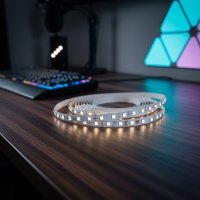
Walking into a space dramatically transformed by clever lighting feels amazing, doesn’t it? That’s the magic an LED strip lamp brings! As someone who’s spent over a decade knee-deep in LED strip projects, from intricate designs to simple home upgrades, and as the official content creator for NamsP, I’ve seen firsthand how these versatile lights can revolutionize any environment. Whether you’re a seasoned DIYer or just starting, understanding the ins and outs of an LED strip lamp is your first step to creating truly stunning illumination.
What Exactly is an LED Strip Lamp?
At its heart, an LED strip lamp is a flexible circuit board populated with light-emitting diodes (LEDs). Often called LED tape or LED ribbon, these strips typically come with an adhesive backing, making them incredibly easy to install on various surfaces. They’re designed for maximum versatility, allowing you to bend, cut, and connect them to fit almost any space or design vision.
From my years of working with them, the biggest draws of LED strip lamps are their energy efficiency, impressive longevity, and the sheer spectrum of lighting possibilities they offer. Unlike traditional bulbs, they provide a consistent, even glow, and you can find them in countless colors and brightness levels. Think accent lighting for a cozy bedroom, task lighting for a bustling kitchen, or even a dynamic, color-changing ambiance for your living room—an LED strip lamp truly does it all. You’ll primarily encounter two main types: SMD (Surface Mounted Device) which are the most common, and COB (Chip on Board) which offer a more uniform, “dot-free” light, perfect for applications where a continuous line of light is desired.
Choosing the Perfect LED Strip Lamp for Your Project
Selecting the right LED strip lamp can feel like a maze with so many options, but don’t fret! It all starts with knowing what you want to achieve.
What’s Your Lighting Goal?
Before you even think about specifications, ask yourself: What’s the purpose of this light?
- Accent Lighting: To highlight architectural features, shelves, or artwork. You’ll need moderate brightness and specific color temperatures.
- Task Lighting: For functional areas like kitchen countertops or workspaces. Here, brighter, cooler white lights are usually preferred.
- Ambient Lighting: To create an overall mood or glow in a room. Dimmable options with a wide range of color temperatures are ideal.
- Decorative Lighting: For purely aesthetic purposes, like backlighting a TV or creating a “floating bed” effect. Color-changing (RGB/RGBW) strips often shine here.
“Understanding your intent dictates everything from brightness to durability,” notes lighting specialist Dr. Anya Sharma. “Don’t just buy a strip; buy a solution for your vision.”
Understanding Color Temperature and Color Options
|
Our Picks for the Best LED Strip in 2026
As an Amazon Associate I earn from qualifying purchases.
|
||
| Num | Product | Action |
|---|---|---|
| 1 | VOEWT LED Neon Lights Daylight White 6000K,9.8ft 110-120V LED Strip Lights,Flexible Outdoor Waterproof Neon Rope Lights for Bedroom,Cabinet,Kitchen,Living Room,Mirror,Halloween Decor |

|
| 2 | Govee RGBIC LED Strip Lights, Smart LED Lights for Bedroom, Bluetooth LED Lights APP Control, DIY Multiple Colors on One Line, Color Changing LED Strip Lighting Music Sync, Home Decor, 16.4ft |
|
| 3 | KANTUTOE LED Lights for TV, 16.4ft LED Lights for 45-75 Inch TVs, RGB TV Backlight Behind, Music Sync Bluetooth APP & Remote Control Strip Lights USB Powered for Bedroom, Gaming, Home Décor |
|
| 4 | Govee Warm White LED Strip Lights, Bright 300 LEDs, 3000K Dimmable Light Strip 16.4ft with Control Box, LED Lights for Bedroom, Kitchen Cabinets, Living Room, ETL Listed Adapter Included |
|
| 5 | Aclorol LED Strip Lights 5V USB 6.56FT/2M 640 LEDs Blue Indoor Rope Lights for Bedroom Not Waterproof IP20 CRI85+ Flexible LED Light for TV Backlight Living Room Party DIY Lighting |
|
| 6 | Govee 100ft RGBIC LED Strip Lights, Smart LED Lights Work with Alexa and Google Assistant, LED Lights for Bedroom WiFi App Control Segmented DIY Multiple Colors, Color Changing Light, (2 x 50ft) |
|
| 7 | Govee Smart RGB LED Strip Lights for Bedroom, 32.8ft WiFi LED Light Strip Work with Alexa Google Assistant, 16 Million Colors with App Control and Music Sync Lights for Home Decor, 2 Rolls of 16.4ft |
|
| 8 | Tenmiro Led Lights for Bedroom 100ft (2 Rolls of 50ft) Music Sync Color Changing Strip Lights with Remote and App Control RGB Strip, for Room Home Party Decoration |
|
| 9 | Govee RGBIC LED Strip Lights, 32.8ft Smart LED Lights for Bedroom, Bluetooth LED Lights APP Control, DIY Multiple Colors on One Line, Color Changing LED Strip Lighting Music Sync, Home Decor |
|
| 10 | KSIPZE 100ft Led Strip Lights RGB Music Sync Color Changing Led Lights with Smart App Control Remote Led Lights for Bedroom Room Lighting Flexible Home Décor |
|
The “color” of white light is measured in Kelvin (K):
- Warm White (2700K-3500K): Produces a cozy, inviting, slightly yellowish glow, much like traditional incandescent bulbs. Perfect for bedrooms and living rooms.
- Cool White (5000K-6500K): A crisp, bright light ideal for task-oriented areas like kitchens, offices, or garages. It enhances alertness.
- Daylight White (around 4000K-5000K): A neutral white, mimicking natural daylight. Great for bathrooms or areas where true color representation is important.
But white isn’t your only option!
- RGB (Red, Green, Blue): These strips can produce a wide spectrum of colors by mixing the three primary colors. Fun for dynamic effects.
- RGBW (Red, Green, Blue, White): Adds a dedicated white LED chip, offering a purer white light than RGB alone, alongside color-changing capabilities.
- Tunable White: Allows you to adjust the white light from warm to cool, giving you flexibility for different moods or times of day.
- Dim-to-Warm: Mimics traditional incandescent bulbs by shifting to a warmer color as you dim them, creating an ultra-cozy effect.
Brightness Matters: Lumens and LED Density
Brightness is measured in lumens per foot (or meter). For accent lighting, you might need 100-200 lumens/foot, while task lighting could require 300-500 lumens/foot or more. Always check the lumen output, not just the wattage, as higher wattage doesn’t always equal brighter light with efficient LEDs.
Another key factor is LED density – the number of LEDs per foot or meter. A higher density means a more uniform, “dot-free” line of light, which looks much cleaner and more professional, especially in visible applications. Lower density strips might appear “spotty,” where individual LEDs are noticeable.
Durability and Placement: IP Rating and Quality
Where will your LED strip lamp live? This determines the necessary Ingress Protection (IP) rating:
- IP20/IP33: For dry, indoor use only (e.g., bedrooms, living rooms).
- IP44/IP54: Protected against some dust and splashing water. Suitable for bathrooms or kitchens away from direct water.
- IP65/IP67: Dust-tight and protected against water jets (IP65) or temporary immersion (IP67). Ideal for outdoor use or areas with direct water exposure.
Investing in a verifiable quality LED strip lamp pays off. Look for products that provide data on Lumen, Color Rendering Index (CRI – how accurately colors are rendered), and CCT. High-quality components and proper heat dissipation design (often incorporating heat sinks) are crucial for ensuring the stated 50,000+ hour lifespan isn’t drastically reduced.
Powering Your LED Strip Lamp
An LED strip lamp requires a compatible power supply (driver or transformer) to convert your home’s AC power to the DC voltage needed by the LEDs (typically 12V or 24V). Always ensure the power supply’s voltage matches your strip and that its wattage capacity comfortably exceeds the total wattage required by your LED strip length. Overloading the power supply is a common mistake that leads to flickering or premature failure.
DIY Installation: A Step-by-Step Guide to Your LED Strip Lamp
One of the best things about an LED strip lamp is how DIY-friendly it is! Here’s how to get yours up and running like a pro.
Gather Your Tools
Before you start, lay out these essentials:
- Your LED strip lamp, power adapter, and controller (if applicable)
- Scissors (for cutting the strip)
- Measuring tape
- Rubbing alcohol and a clean, lint-free cloth
- LED strip connectors (if needed for corners or extensions)
- Adhesive clips or mounting channels (optional, for extra security or a cleaner look)
Step 1: Plan Your Layout and Measure
This is where your vision comes to life. Use your tape measure to determine the exact length of LED strip you’ll need. Sketch out your plan, noting any corners or areas where the strip might need to be cut and reconnected. Identify the nearest electrical outlet for your power supply. Think about visibility – do you want the strip itself to be seen, or just its glowing effect? Hidden placements often yield the most sophisticated results.
Step 2: Clean and Prepare the Surface
This step is absolutely critical for long-lasting adhesion. Use rubbing alcohol and your lint-free cloth to thoroughly clean the entire surface where the LED strip lamp will be mounted. Dust, dirt, grease, or even fingerprints can severely weaken the adhesive. Let the surface dry completely before proceeding. Smooth, non-porous surfaces like wood, plastic, vinyl, or metal work best. For textured or porous surfaces like unpainted drywall, consider using mounting clips or aluminum channels.
Step 3: Cut and Connect
If your project requires shorter lengths, cut your LED strip lamp only at the designated cut lines, usually marked with a small scissor icon or copper pads. Cutting anywhere else can damage the circuit and render a section inoperable. For corners or bridging gaps, use solderless LED connectors or, for a more permanent solution, solder wires between segments.
Step 4: Peel, Stick, and Secure
Carefully peel off a small section of the adhesive backing at a time, pressing the LED strip lamp firmly onto your prepared surface. Work your way down, applying consistent pressure to ensure a strong bond. For added security, especially on vertical surfaces, around corners, or in high-traffic areas, use adhesive clips or aluminum mounting channels. These also help with heat dissipation and can give a more finished look.
Step 5: Connect to Power and Controller
Connect your LED strip lamp to its power adapter, ensuring correct polarity (positive to positive, negative to negative). If you have a controller for dimming or color changes, connect it between the strip and the power adapter. Double-check that the voltage of your power adapter matches the voltage of your LED strip.
Step 6: Final Test and Adjust
Before you commit to the final stick, always perform a test. Plug in your entire setup and power it on. Check that all sections of the LED strip lamp illuminate correctly, that the colors are consistent (if applicable), and that any controller functions (dimming, color changes) work as expected.
Expert Tip for Seamless Installation:
“Always, always test your LED strip lamp before permanently mounting it. I’ve heard too many stories (and made the mistake myself once!) of perfectly installed strips only to find a dead section. It saves you the headache of peeling it all off and rewiring.”
Keeping Your LED Strip Lamp Shining Bright: Maintenance and Troubleshooting
With a little care, your LED strip lamp can provide years of beautiful illumination. But even the best systems can encounter a hiccup.
Routine Care for Longevity
- Regular Cleaning: Dust and dirt can accumulate on the LEDs, reducing their brightness and potentially affecting their color output. Gently wipe your LED strip lamps with a soft, dry, lint-free cloth. For tougher grime, a slightly damp cloth (ensure the power is off and the strip is dry before turning it back on) can work, but avoid harsh chemicals.
- Avoid Over-Bending: While flexible, LED strip lamps have their limits. Sharp bends can damage the internal circuitry or the LEDs themselves. Use connectors for tight corners.
- Proper Ventilation: LEDs generate heat. Ensure your LED strip lamps are installed in well-ventilated areas, especially high-brightness ones. Using aluminum channels or heat sinks, particularly for enclosed installations or high-power strips, significantly extends their lifespan.
- Check Connections: Periodically inspect all connections—at the power supply, between strip segments, and to any controllers—to ensure they are secure and free from corrosion. Loose connections are a frequent culprit for problems.
Common LED Strip Lamp Issues and Quick Fixes
-
Flickering LED Strip Lamp:
- Causes: Incompatible power supply (voltage/wattage mismatch), loose connections, faulty dimmer, voltage drop over long runs.
- Fixes: Ensure power supply voltage matches the strip’s. Check all connections for tightness. Use an LED-compatible dimmer. For long runs, consider a higher voltage supply or splitting the strip into shorter, individually powered sections.
-
LED Strip Lamp Not Sticking Properly:
- Causes: Poor surface preparation (dust, grease, moisture), low-quality adhesive, unsuitable surface (textured, porous).
- Fixes: Thoroughly clean and dry the surface before installation. For persistent issues, use additional double-sided tape, adhesive promoters, or mounting clips/channels for a more secure hold.
-
Uneven Brightness or Dead Sections in LED Strip Lamp:
- Causes: Voltage drop (especially on long strips), physical damage (cuts, bends), faulty LEDs, poor soldering, power supply issues.
- Fixes:
- Voltage Drop: For long strips, consider injecting power from both ends or using a higher voltage system (e.g., 24V instead of 12V).
- Physical Damage: Inspect the strip carefully for visible breaks. If a section is dead due to physical damage, you might need to cut out the faulty part and replace it, connecting the new segment with appropriate connectors or soldering.
- Power Supply: Test your power supply to ensure it’s providing the correct voltage and current.
-
Color Inconsistencies (for RGB/RGBW LED strip lamps):
- Causes: Faulty controller, incompatible components, damaged LEDs.
- Fixes: Check the controller settings and ensure it’s paired correctly. Verify that the controller and LED strip are compatible (sticking to the same brand often helps). Inspect the strip for any visibly burnt-out LEDs.
What if my LED strip lamp smells like burning?
If you ever detect a burning smell or see smoke, immediately disconnect power to the LED strip lamp! This indicates a serious electrical issue, likely an overloaded circuit, short circuit, or overheating component. Do not reconnect power until a professional has inspected the setup and resolved the underlying problem. Safety always comes first.
Transforming Your Space: Creative Ideas with LED Strip Lamps
Now for the fun part: unleashing your creativity! An LED strip lamp isn’t just a light source; it’s a design tool.
Under-Cabinet and Shelf Lighting
One of the most popular uses is in the kitchen. Install LED strip lamps under upper cabinets to illuminate countertops, making food prep easier and adding a modern, high-end feel. They also work wonderfully inside display cabinets or along shelves to highlight collectibles, books, or glassware, creating depth and a sophisticated glow.
Cove and Ceiling Lighting
For a truly elegant effect, tuck LED strip lamps into crown molding or recessed ceiling coves. This creates a soft, indirect glow that “washes” the ceiling with light, making the room feel taller and more spacious – a technique often seen in luxury homes.
TV and Furniture Backlighting
Attach LED strip lamps behind your TV for “bias lighting.” This reduces eye strain during prolonged viewing, makes screen colors appear more vibrant, and gives a cinematic feel. For a magical touch in the bedroom, install strips under your bed frame to create a “floating bed” illusion, perfect for a cozy ambiance or a subtle nightlight.
Staircase Illumination
Line stair risers with discreet LED strip lamps for both safety and style. They illuminate each step, preventing accidents in low light, and add a contemporary, architectural element to your home.
Accent Mirrors and Vanity Lighting
Backlighting mirrors with LED strip lamps adds a modern flair to bathrooms and dressing areas. It provides excellent, even lighting for grooming while creating a chic, floating effect that enhances the room’s aesthetics.
Window and Plant Shelf Lighting
Frame your windows with LED strip lamps, facing the glass, to create a captivating glow visible from both inside and outside. For indoor plant enthusiasts, install full-spectrum LED strips under plant shelves. This not only highlights your botanical masterpieces but also provides the necessary light for plant health, especially during darker months.
“Don’t be afraid to experiment! A minimalist space might thrive with warm white strips tucked away, while a bohemian room could burst with life with color-changing LEDs. The beauty of an LED strip lamp is its adaptability to any aesthetic.”
Frequently Asked Questions (FAQ)
Are LED strip lamps difficult to install for a beginner?
No, not at all! Most LED strip lamps are designed for easy, DIY installation. With their adhesive backing, pre-soldered connectors, and plug-and-play power supplies, many people can install basic setups in under an hour, making them a very beginner-friendly lighting solution.
How long do LED strip lamps typically last?
High-quality LED strip lamps typically have a lifespan of 50,000 hours or more. This means if you use them for 8 hours a day, they could last over 17 years! Proper installation, good ventilation, and using the correct power supply are key to achieving this longevity.
Can I use LED strip lamps outdoors?
Yes, but you need to choose LED strip lamps with an appropriate IP (Ingress Protection) rating. For outdoor use, look for strips with an IP65, IP67, or even IP68 rating, indicating protection against dust and water. Ensure all connections are also properly sealed and weatherproofed.
What’s the difference between RGB and RGBW LED strip lamps?
RGB (Red, Green, Blue) LED strip lamps create various colors by mixing red, green, and blue light. RGBW strips add a dedicated white LED chip to the mix. This means RGBW strips can produce a purer, more natural white light in addition to all the color options, which RGB strips often struggle to achieve without a slight color tint.
How do I cut an LED strip lamp safely?
You can cut an LED strip lamp safely and easily using regular scissors, but only at the designated cut lines. These lines are typically marked by a small scissor icon or copper pads on the strip. Cutting anywhere else can damage the circuit, causing a section of the strip to stop working. Always ensure the power is disconnected before cutting.
Light Up Your World with the Perfect LED Strip Lamp
The world of LED strip lamps is vibrant and full of possibilities, offering a unique blend of energy efficiency, versatility, and aesthetic appeal. From setting the mood with warm ambient lighting to providing bright task illumination, the right LED strip lamp can truly transform any space. With the knowledge you’ve gained about choosing, installing, and maintaining these incredible lights, you’re now ready to confidently embark on your own lighting adventures. So, go ahead, get creative, and illuminate your home with style! We at NamsP are always here to guide you, so feel free to share your experiences and light up your world, one LED strip lamp at a time.
Get our weekly buyer guide
Practical specs, not advice. Unsubscribe anytime.